A Manifesto for Delivering Thriving Rural Communities Through Affordable Housing

Rural Housing Week (1st to 5th July) is an opportunity to focus on the housing challenges facing people living in rural communities.  It is a chance to highlight how we can do things differently and develop lasting solutions to the rural housing crisis which is driven by a combination of low local incomes, high housing costs due to external demand, and a limited affordable housing supply. With affordable housing constituting only 9% of villages compared to 17% in urban areas, the disparity is striking.

Workplace incomes in rural areas are lower than in urban areas, but housing costs are higher. This can mean that what is known as Affordable Rent, charged at up to 80% of market rents, is unaffordable for many. Local Housing Allowance rates are often insufficient to cover higher rural rents, leaving a gap that many rural working residents find difficult to fill.

Rural Exception Sites –  small plots of land which can only be developed for affordable housing for local people,  are often the only route to meet housing needs in rural communities. However, development on these sites has halved over the past five years. 

Rural Housing Enablers are impartial advisors from rural community organisations like Connecting Communities in Berkshire, Community Impact Bucks and Community First Oxfordshire. They play an essential role in  supporting communities, landowners, local authorities, and housing associations to deliver housing on Rural Exception Sites

A New Strategy for Thriving Rural  Communities

A Manifesto for Delivering Thriving Rural Communities Through Affordable Housing is a strategic document developed by a coalition of rural charities and housing associations. It makes several evidence-based recommendations to address the rural housing crisis, focusing on a long-term strategy for scaling up and delivering a national programme of affordable rural housebuilding. Key recommendations include:

  • Housing Needs Requiring local authorities to assess and document the specific housing needs in their rural communities and devise targeted policies and strategies to address them.
  • Enhanced Planning Policy improving national planning policy and guidance to accelerate delivery of homes through Rural Exception Sites.
  • Funding for Enablers Establishing an annual fund of approximately £2.6 million to sustain a national network of Rural Housing Enablers.
  • Adapted Homelessness Strategies Adapting homelessness and rough sleeping strategies to rural areas, focusing on prevention and using enhanced data collection to uncover hidden needs.

Affordable rural housing projects, often small in scale,  yield major benefits, contributing significantly to community investment and economic prosperity. Building just ten such homes can provide a £1.4m economic boost, support 26 local jobs, and secure a net return of around £250k for the Treasury, before considering other local multiplier effects.

By understanding and addressing these challenges, the strategy aims to make the countryside a viable, inclusive, and attractive living option, enriched with opportunities for all.

Collaboration for Impact

Connecting Communities in Berkshire, Community Impact Bucks and Community First Oxfordshire are working together under the banner of the Rural Thames Valley Partnership. By sharing knowledge and resources, we aim to get the most out of our respective rural housing projects for the rural communities we serve.


50 Ways we have Supported Communities in Berkshire in the last 50 years.

In September 1973 our charity was born at an inaugural meeting and the decision was taken to establish Berkshire Community Service Council. In 1974 a submission to Berkshire County Council for grant aid was agreed and we were able to appoint our first member of staff – a Countryside Liaison Officer. The past 50 years have seen us change office locations, CEOs, Chairs, our name, and areas of project delivery/specialism a variety of times but the heart of our work has always focused on community development and providing help, advice, and guidance to rural communities in Berkshire.

Here we will take a very brief look back at the highlights of our 50 years and what we have been most proud of achieving for the county of Royal Berkshire in this time. So, in no particular order here we go….

1. Supporting Flood Resilience in Swallowfield – working with the Swallowfield Flood Resilience Group in 2016/17 we produced and shared a guide to help communities form and operate a flood resilience group. This work, and groups like it, will be needed more and more as we operate under a climate of intense weather patterns in the next 50 years.

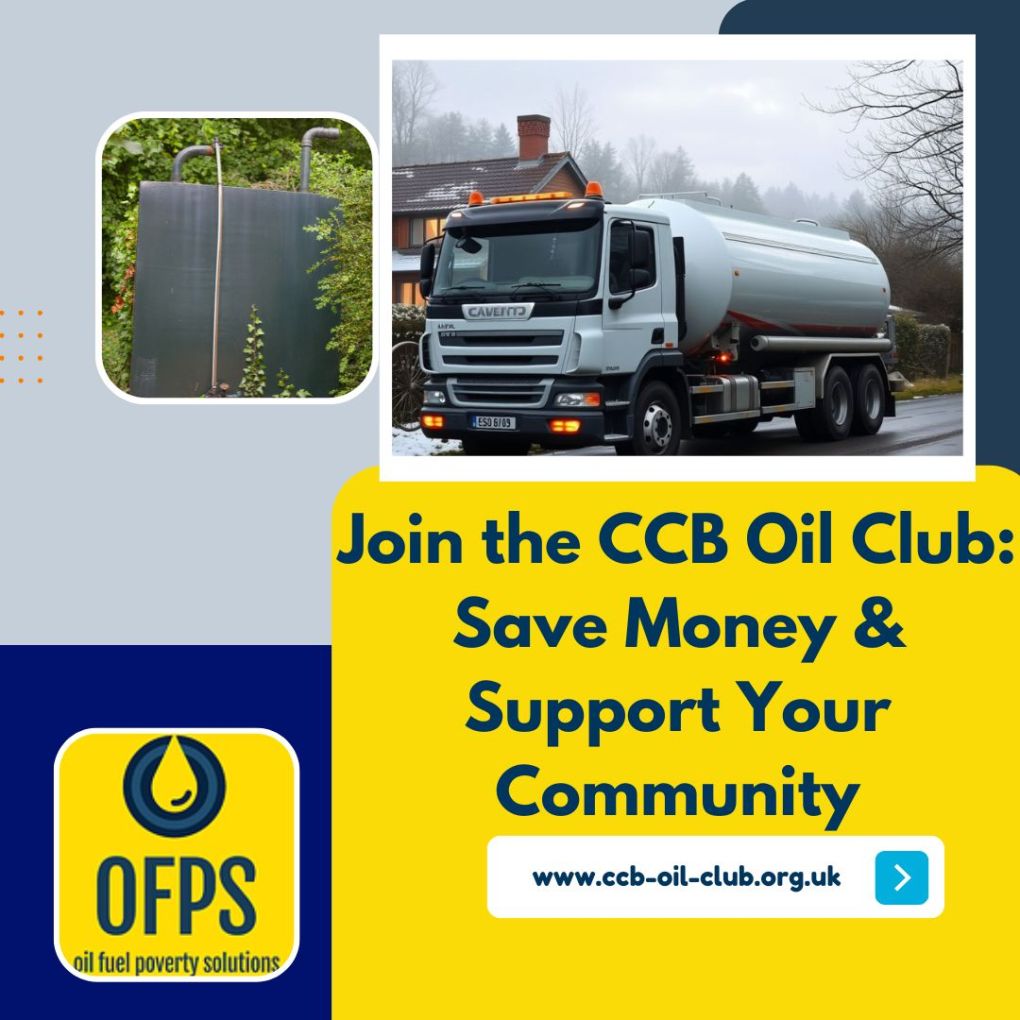
2. Setting up an Oil Buying Group – Over 10 years ago the CCB Oil Group was set up to help individuals who rely on heating oil (usually in our more rural areas) to access the discounts and support of a collective buying group and continues to support rural households today. In the last 5 years, we have saved our oil club members over £56,000* (*compared to standard heating oil pence per litre prices)


3. Berkshire Association of Local Council Service – For two lengthy periods over the last five decades CCB employed a Berkshire Association of Local Councils Executive Officer to provide first-class support, advice, practical help, and training to members of BALC – Berkshire’s parish and town councils.

Community Conference


4. Village Halls Conference

We have regularly run an annual Village Halls Conference offering training and workshops on relevant information to trustees, volunteers and committees that run our fantastic community buildings. Below is a montage of our previous conferences over the years.

5. Annual Conferences for Parish Plans

Our annual ‘All You Need to Know’ conferences brought together parish planning and community groups from across the county to share knowledge and experiences.

Sarah Ward, Parish Planning with Scout Cubs


6. Community Action West Berkshire

From 2003 – 2009 we ran the West Berkshire Council for Voluntary Service – providing expertise and support to volunteers alongside our rural community development work in this geographical area.

7. Trailblazing the need for affordable, green energy

Back in 2007/8 we ran two conferences in Berkshire focusing on green energy stating that ‘the era of cheap energy is behind us and the implications are still not understood by many people.’ How true that statement feels in 2024!


8. Asian Women’s Project in Thatcham

In the mid-noughties, we ran an Asian Women’s Project – open to Asian women of all backgrounds and their preschool children and aimed at providing family learning opportunities.

9. Parish Planning Throughout West Berkshire

Parish Planners may remember our fantastic connector of people Sarah Ward who worked with volunteers to give local people the chance to develop a 5-year action plan for the community. These plans covered a range of issues from transport to youth activities, safety to improvements to the local environment. During the lifetime of this project 48 Parish Plans were launched in communities from Lambourn to Beech Hill in the west of our county. This project helped ensure that our rural communities thrived and helped establish many assets that are still enjoyed in 2024 – play parks, village markets, village hall improvements, youth projects, environmental improvements and more.

Asian Women’s Project


10. Home Safety – In the Royal Borough of Windsor & Maidenhead we led a campaign to make the homes of 1,000 vulnerable residents safe and burglar proof. The project saw us working in partnership with a range of other organisations including Neighbourhood Watch Groups, Thames Valley Police, local housing associations and Age Concern.

11. Affordable Homes Built in Woolhampton – In 2015 eight affordable homes were officially opened on a rural exception site in Woolhampton (Hill Place) – affordable homes for local people in perpetuity. This was the result of eight long years of work partnering with local landowners, the borough and parish council and a social housing provider. It was all worth it though as one of the families that moved into a house highlighted at the time; “We are so thrilled to be able to return to the village that my husband grew up in. We are now surrounded by family support, friends and lovely new neighbours. The stress has gone from our lives.”


12. Cookery Courses for Dads/male carers and children – In 2010 we enlisted three top local chefs to run some tasty cookery courses over in John O’Gaunt School in Hungerford with learners going away with some new techniques, information on nutrition and menu planning on a budget.

13. Big Society – It may be a buzzword that we no longer hear so much but back in 2010 it was a key political tagline, and we are proud of running a conference attended by 100 + delegates at Reading Uni that was packed full of workshops that empowered communities and provided opportunities for us all to build our social capital.

Cookery Courses for Dad


14. Growing Community Cinemas in Berkshire – Before the age of online streaming we helped Berkshire villages and rural areas set up community cinemas in the past, some of which still run very successfully in 2024. Many are/were run in their local village hall and offered residents the chance to enjoy a movie/night out without having to commute anywhere. “The club offers local residents and those in outlying villages a chance to see popular films at an affordable price.” Photos?

15. Warm in West Berkshire – Delivered alongside key partner organisations this project in the early twenty-tens increased access to NHS health advice on staying healthy in winter, and energy efficiency with the legacy of the project seeing the launch of the CCB Oil Club and In Case of Emergency (ICED) 4×4 Drivers to help provide transport during extreme weather conditions.

16. Focused support for children and young people in the Gypsy, Roma & Traveller Community – in the mid noughties we provided basic skills training in literacy, numeracy and IT for adults and young children at two GRT sites in West Berkshire.

17. Unpaid Carers Project – We were able to engage with 1600 unpaid carers from across Berkshire and provide a wealth of opportunities to access learning and wider support which left a legacy of new community groups and organizations to continue to support programmes of activities in the county.

18. West Berkshire Vibrant Villages – Provided support for eleven communities to develop projects ranging from essential repairs and renovations to village halls to the provision of play equipment for toddlers. In total, £70,000 was awarded to our rural West Berkshire villages through the delivery of this project.

19. Berkshire Rural Towns Project – this project allowed funding to support projects in Berkshire with an economic focus many of which can still be enjoyed by our communities today – the development of the community centre in Stratfield Mortimer and the revitalization of recreation areas in Eton & Eton Wick to name a couple.

Art Classes for Unpaid Carers


20. Community Development Work – Always at the heart of our work! CCB was able to employ two Community Development Workers in the late 90’s thanks to National Lottery funding. Their work focused on supporting the most disadvantaged groups living in rural Berkshire.

21. Bringing Funding Support to Rural Areas – In the mid-90s we administered funding for the Berkshire Rural Action Network which assisted groups in rural areas to improve their environment and their community’s appreciation of it.

22. Community Care Forum – In 1994 we coordinated and administered the Berks Community Care Forum which amongst other outcomes ensured that voluntary sector representation was on the Hospital Discharge Policy Groups for both East and West Berkshire.

23. Digital Switchover – When the analogue TV signal was being switched off in 2012 it was an event that all communities in the county needed to be prepared for. With a team of community volunteers, CCB ensured that the word was spread through shopkeepers, churches, newsletters and face-to-face events at our libraries so that no one was left with a blank television.

24. Webinars – online training delivery – Before Covid made the world of online learning/meeting the norm CCB was ahead of the curve delivering regular funding workshops with the Big Lottery’s South East Awards for All Programme Manager to communities across Berkshire. In 2011-12 alone we delivered training to 160 adults piloting this new type of training delivery. “The response we received in feedback showed a very high level of appreciation for the workshops, especially with regards to the cost savings of webinar delivery.”

25. Helping Our Village Shops – In 2001 we were able to support rural retail outlets by providing free visits from an expert retail advisor to support improvements alongside helping them to apply for improvement grants. An outcome of this project was helping South Ascot Village Stores to successfully obtain a grant to combine the village shop with the post office.

26. Increasing Adult Community Learning Opportunities – Since 2010 we have delivered training opportunities for adults in West Berkshire, Bracknell Forest, Slough and Wokingham Borough. We continue to deliver these strengthening communities sessions today in West Berkshire on a variety of topics from Data Protection to Food Hygiene, from First Aid to Community Organising and many, many topics in between.

27. Seated Exercise Classes – After Covid and lockdowns affected us all mentally and physically we worked in rural communities to set up local gentle exercise and social interaction opportunities. We helped village halls set up, market, and offer these subsidized free opportunities to their local communities. We continue to support some of these classes in 2024 though many now continue without our help as they are self-sufficient and popular.

Englefield Village Hall


28. Community Buildings – Thanks to the work of our Village Hall/Community Buildings Advisors over the years we have helped support the creation of both new village halls (Englefield) and the upgrades to many village halls so that they remain vibrant, safe, and well used (recent examples Bucklebury, Beech Hill and Spencers Wood)

29. Enabling Local Orchards to Thrive – At the start of the twenty tens we successfully bid for a National Lottery Fund (at the time called Big Lottery) to establish community orchards in parishes of Twyford, Wargrave, Swallowfield, Shinfield and at Dinto Pastures. These orchards continue to flourish to this day.

30. Supporting Neighbourhood Plans in East Berkshire – In 2011 Neighbourhood Planning was introduced in the Localism Act 2011 and our Rural Housing Enabler at the time, Arlene Kersley, stepped up to immerse herself in the new framework to fully understand the evidence base required to get a neighbourhood plan through examination and stand-up to scrutiny. She shared her knowledge with groups that came forward in the Royal Borough of Windsor & Maidenhead

31. Supporting the Rural Economy in Berkshire – Our current CEO Tim has always been passionate about working with and representing the rural communities in Berkshire to identify local economic priorities. Tim has worked closely with the Thames Vallery Berkshire Local Enterprise partnership supporting rural economic development.

32. Transforming Local Infrastructure Projects – along with partners in the voluntary and community sector in West Berks we helped build capacity in the sector by delivering a programme of PTLLS (Preparing to Teach in the Lifelong Learning Sector) to 33 people helping them to develop their skills and increase their delivery activities.

33. Funding Rural Communities in Berkshire

Throughout our life as a charity we have helped fund and administer many grants including ;
• Berkshire Rural Action – funding for rural projects which help people appreciate and improve their local community.
• Countrywork – promoting employment opportunities in the countryside.
• Voluntary Sector Development Fund – to assist other voluntary organization with training or consultancy.

34. Friendship clubs – In the noughties we developed five friendships clubs in West Berks for people who had become isolated or lonely due to physical and mental health issues.

Energy bill advice to a mother and baby group in Slough


35. English Speakers of Other Languages (ESOL) Project – In 2003 we secured funding to establish an ESOL Basic Skills in the workplace project which supported 184 learners to access skills development at local colleges and in community settings.

36. Berkshire Calor Village of the Year competition – In the early noughties we helped administer and organized presentation evenings for the Village of the Year competitions. This competition was judged on ‘a well-balanced, pro-active, caring community which has made the best of local opportunities to maintain and enhance the quality of life for all residents.”

37. Fuel Poverty Outreach work – Our Fuel Poverty work has been an integral part of our project delivery for over a decade now. Outreach work has helped create new opportunities to advise low-income families on how they can reduce their home energy costs with advice drop-in sessions, one-to-one telephone advice and practitioner training workshops.

38. Country wide delivery (PHOTO IMAGE FROM 1996 below) illustrating our delivery outcomes across six local authorities.


39. Village Initiatives Fund – In 1988 we launched this fund to encourage and stimulate voluntary self-help initiatives in rural Berkshire. Grants of up to £100 were distributed to village projects that benefitted the local community – the fund was sponsored by Shell UK, Digital, Marley Roof Tiles and Newbury Building Society – except for Shell UK how many still operate today?

40. Entering the computer age – In 1988 it was such an event that we acquired a second Apricot computer we mentioned in our Annual Report! This helped us develop a variety of databases including Parish Council information, membership and mailing lists.

41. Taking care of our environment – photo from 1980’s annual review


42. Adult Community Learning partnerships – Over the years we have partnered with a number of other organisations to ensure that our training to rural communities in Berkshire is varied and useful. These included Tutors/experts from other organisations like Heartstart, Community Organisers, BALC, Royal Berks Fire & rescue, Volunteer Centre West Berkshire, Happiness Hub, Love Food Hate Waste, British Red Cross, Volunteer Centre West Berkshire, Databasix UK, social media and marketing experts, grant providers and many more! Thank you for sharing your wisdom and expertise.


43. Rural Access to Services Programme (RASP) – Between 2008 and 2011 CCB worked with other Rural Community Councils in the South East on a programme to invest in projects to improve access to services. A total of £171,000 in funding from the South East England Development Agency was invested in projects in Berkshire to improve access to healthcare, access to skills and advice, and improved community transport and accessibility projects from parish plan action plans.

44. Transport West Berkshire – In partnership with the West Berkshire Library Service, CCB raised funds to introduce the Community Learning and Information Vehicle: CLIVe. The converted lorry became a mobile hub for outreach community learning across the District, supporting our Traveler Education project, promoting the uptake of broadband internet with the Connected Berkshire Partnership and taking information on CCB’s services out into the community, including at the Newbury Show.

45. Transport East Berkshire – With funds from the Countryside Agency to increase sustainable travel, CCB implemented a project to install cycle lockers at several sites across Wokingham and West Berkshire. With a focus on railway stations, the project encouraged people to cycle and leave their bikes secured at the station.

46. West Berkshire Funding Fair at Newbury Racecourse in September 2009. We planned and delivered a variety of workshops centred on helping community groups and voluntary organisations find funding. The outcome of this successful networking day was empowering West Berkshire charities to access new funding streams for their community projects and receive information, support, and advice on fundraising for their charity/community building.

47. In 2001 CCB took over the administration of the Environmental Trust for Berkshire. The Trust oversaw a £600,000 investment in environmental projects and worked with the newly-formed Waste Recycling Environmental Ltd (WREN) to advise on applications received by this new fund for Berkshire. Projects supported by the ETB cover all six unitary authorities in Berkshire and include the renovation of churches and historical monuments, improvement of local parks, nature reserves and other amenity areas and education on recycling and sustainable waste management.

48. In 1977 our ‘Your Village – What Future’ Conference heralds a year of activity and self-help in Berkshire villages. Declining rural services and growing rural populations are recognised as an increasing issue for rural communities as Central and West Berkshire are designated growth areas for new housing. A parish survey, interviewing Parish Clerks, provides basic information on settlement in rural Berkshire.

49. In the early 80’s unemployment is a serious problem within Berkshire and CCB supported employment initiatives with Berkshire County Council. Berkshire Youth Action (now Berkshire Youth) is established and we help search out projects which can be undertaken by youth teams across Berkshire. CCB sets up the Newbury Resources Centre for the Unemployed to assist the rural unemployed get access to information and advice.

50. In the late 1990’s (1998) Berkshire County Council was no longer and our charity had to develop to reflect these changes so our delivery adapted to a project-focused approach. We launched ‘Rural Areas: People and their issues’ and a review of Youth Homelessness in ‘Young People Living in Our Community’. Seven Neighbourhood Forums are developed and new initiatives in supporting local mental health groups and users of housing association-supported accommodation begin.


ACRE is pleased to confirm that village hall management committees can apply once again for larger grants to improve their buildings

The fund, originally announced to mark the Late Queen’s Platinum Jubilee has reopened for new applications.

Groups can submit applications for grants of between £7,500 and £75,000 which can be used to cover up to 20% of capital costs associated with renovation and improvement projects.

This latest window for new applications is expected to last until government funding has been exhausted. The process is competitive and hall committees must be able to complete the project work by the end of March 2025.

Interested groups are strongly encouraged to read information and guidance about the fund available from ACRE’s website before applying.

Smaller grants up to a value of £5,000 have been awarded to over 100 beneficiaries over the past few months, however, this ancillary scheme is now closed for the time being and may re-open in the future subject to available funding.


Funding News for June 2024

SPACE Arts and cultural organisations based in England, including museums, libraries, community organisations and local councils with a cultural project, can now apply for a digital commission of up to £15,000 (£8,000 for audio projects). Commissions are for you to develop and deliver a creative digital project. This might be a video or audio project, or an interactive or immersive experience. Deadline 5pm, 13 Jun. Please click here for more details.

Cycling UK – Big Bike Revival Grants Programme Grants are available for voluntary groups, social enterprises, and other not-for-profit organisations to deliver cycling projects and activities across England (outside of London) for people who do not normally cycle.
Application deadline: 25 June 2024. Click here for more details.

Village Hall Small Grants Fund
Grants of between £2,000 and £5,000 to help make improvements to rural community buildings in England. This is the latest release of the £3 million grant fund announced by the government in May 2022 in celebration of the Queen’s Jubilee.

Grants are intended to support smaller capital projects in village halls such as boiler replacements, insulation, toilet upgrades and new kitchens.

Awards can be made to cover 20% of eligible project costs, up to a maximum amount of £5,000. The balance of funding for the works proposed must be in place, or at least confirmed within 6 weeks of making an application to a small grants fund.

Please read the fund criteria and FAQs before submitting your application. We recommend you only submit this once the project is ready to proceed, and you have everything in place.
Village halls small grants fund – ACRE

Deadline: The fund is expected to stay open until December 2024, however, it may be withdrawn before this.

Hubbub and Starbuck’s ‘Eat it Up Fund’

About Us: We’ve launched the Eat It Up Grant Fund 2024 to fuel innovations that reduce edible food waste, ensuring food serves its purpose – to be eaten.
Criteria: To support innovative ideas to tackle food waste in the UK. The grant must be used within a year. The funding is for initiatives that do one or more of the following:
• Address pre-farmgate waste (the food production process, up to the point where the products have been harvested and prepared as produce for sale).
• Prevent food from being wasted at the manufacturing and processing stage.
• Minimise food waste from retailers.
• Find creative ways to use surplus food in communities or at home.
Grant Size: Six grants of £60,000
Deadline for applications: 5pm on 14 June 2024

Wolfson Foundation

About Us: The Foundation gives major grants for capital work across the fields of education, science and medicine, health and disability, heritage and arts and humanities.
Criteria: The project should be for a new building, refurbishment work or equipment that leads to at least one of the following aims:
• Increased access to services for new and existing users.
• Improved quality and range of services.
• Improved financial stability of the organisation.
Grant Size: £15,000 up to £1million. Match funding is required for projects where the total project cost is above £50,000.
Deadline for applications: 23.59 on 1 July 2024

Clarion Futures Digital Grants Programme

About Us: Clarion Futures delivers a range of grant programmes which support those working to improve the lives of our residents, as well as helping them stay more digitally connected.
Criteria: For not-for-profit organisations seeking to deliver innovative, well-designed projects that support Clarion residents and the wider community to address digital exclusion.
The funding is for projects and activities that focus on:
• Supporting Clarion residents to discover the full scope of how the internet can assist them in their everyday lives, and provide them with the skills and confidence to do so.
• Supporting residents to access the digital resources that meet their individual needs and circumstances.
• Building digital skills and confidence for all.
• Encouraging residents to use the internet with confidence so they are safe and avoid risky and/or illegal behaviour.

Grant Size: Between £1,000 and £5,000
Deadline for applications: noon on 12 June 2024

Arnold Clark Community Fund

About Us: As part of our commitment to give back to the communities in which we operate, we believe that by caring for these communities today, we can help them create a better future.
Criteria:
• Cost of Living Support – funding to any registered UK charity or community group whose work directly supports those most affected by the cost-of-living crisis, such as foodbanks, accommodation, poverty relief and where people/communities in the UK are the primary and immediate focus of investment.
• Our Communities Support – funding to projects embedded in the communities in which Arnold Clark operates and is available to organisations who provide services widely accessible to those within Arnold Clark local communities, addressing the needs of those living within them.
• Gear Up for Sport – 150 sports kits given away each month to support youth sports teams across the UK. Any youth team with up to 30 members aged 4 to 15 years can apply.
Applications are expected to be accepted until the e
Grant Size: up to £2,500
Deadline for applications: End of December 2024

Bright Futures Fund
Wokingham Borough Council has awarded Wokingham United Charities funding to
oversee their extracurricular activities initiative. The Bright Futures Fund is dedicated to supporting children from low-income households providing opportunities to engage in a diverse range of extracurricular activities, including school trips, club memberships, purchasing or hiring of equipment and instruments, and covering participation fees for children and young people. Applications are welcomed from schools, alternative educational providers, youth groups, sports clubs, activity clubs, and relevant local charities. To ensure a streamlined process, applications are exclusively accepted from referring agencies. Online applications
can be submitted via our website.

Regenerative Soil Funding
Applications close on Thurs 27th June.
UK soils currently store about 10 billion tonnes of carbon, roughly equal to 80 years of annual UK greenhouse gas emissions. The priority must be to stop further soil degradation and
keep that carbon in the soil. But intensive agriculture has caused arable soils to lose about 40 to 60% of their organic carbon to the atmosphere. Investing in regenerative soil initiatives is one way to help combat this. We are looking for grant applications from charities, community groups, and organisations that are working to promote a more sustainable approach to soil and land management.

Architectural Heritage Fund Project Development Grants
Applications close on Weds 31st July.
Grants are available for UK not-for-profit organisations to cover some of the costs of developing and coordinating a building project and taking it towards the start of work on site. As the Architectural Heritage Fund, there has to be a historic building involved in whatever we support. We generally look to support projects where there is a change of use or change of ownership involved with the building, such as bringing something disused back into use.

Arts & Culture Project Grants
Applications accepted on a rolling basis.
This is our open access programme for arts, libraries and museums projects. The fund supports thousands of individual practitioners, and community and cultural organisations. Applications are for grants between £1,000 and £100,000, should engage people in England with arts and culture. You can learn whether this is the right fund
for you by taking our quiz.

Matthew Good Foundation
Applications close on Saturday 15th June.
Our Grants for Good are designed to direct funding only to small and growing local charities, voluntary groups or social enterprises that are making a big impact on local communities or the environment. To be eligible, applicants must have an average income of less than £50,000 in the last 12 months. Every three months, five organisations will receive grants between £5,000 to £2,000.

AB Charitable Trust

About Us: The A B Charitable Trust is an independent grant-making organisation, founded in 1990 by Yves and Anne Bonavero to champion human dignity and support the most marginalised and excluded groups in the UK. The Trust has no endowment and is funded annually by the Bonavero family.
Criteria: This programme aims to support and strengthen small to medium-sized charities, and the wider ‘eco-system’, in our priority areas. We usually fund single-focus organisations working solely in our priority areas. For these organisations, we generally give unrestricted grants.
Grant Size: up to £30,000
Deadline for applications: 26 July 2024

The Adamson Trust

About Us: The Adamson Trust is a long-established Perthshire charity based in Crieff.
We can give financial help with the cost of holidays or respite breaks for disabled children aged between 3 and 17 with physical, mental or emotional impairments. We can only give help for this purpose.
Criteria: We can give financial help with the cost of holidays or respite breaks for disabled children aged between 3 and 17 with physical, mental or emotional impairments. Individual families can apply but we also accept applications on behalf of voluntary and community groups working on behalf of groups of children and families.
Grant Size: Not stated
Deadline for applications: 30 June 2024

The Ford Britain Trust

About Us: Working with our local communities to sow the seeds of change. We are committed to supporting the communities that we work and live in. That is why we created the Ford Britain Trust. Since April 1975 we have been able to help fund the education and advancement of our neighbours.
Criteria: We pay special attention to projects focusing on education, environment, children, the disabled, youth activities and projects that provide clear benefits to the local communities close to our UK locations.
Grant Size: Small grants up to £250 or larger grants up to £3000
Deadline for applications: 30 June 2024 (small grants); 31 July 2024 (larger grants)

Motability Community Transport Grants

We launched this grant programme in April 2022, which aims to help charities and organisations to make an immediate impact for disabled people, by awarding funding to develop, expand and improve community transport options. We are focussing our grantmaking for this programme on:
• Funding support for staff or volunteer training and costs.
• Funding to increase the number of vehicles available in the community to help organisations support disabled people.
• Funding local, regional, or national initiatives to increase awareness of community transport and influence its inclusion in transport strategy and policy.
• Funding to schemes, programmes and initiatives that already exist, and which provide best practice solutions, but need further support to remain operational or scale up the service they can provide to help more disabled people.
If any of the above are relevant to your charity or organisation, please take some time to read this information and review the documents included within our guidance for applicants.

Using a wide range of research including insight from Motability Foundation grantees, other disabled people and representative organisations, community transport has been identified as a priority area for support.

Disabled people make 38% fewer journeys than non-disabled people every year – a figure that has not changed in a decade.

To help address this problem now, charities and organisations working in the Community Transport sector can apply for grants from £100,000 to £4 million at any point before March 2025 to improve the impact of community transport for disabled people.

The Britford Bridge Trust

The Trust was established by Adrian and Jane Frost in 2014 to formalise their long-standing charitable support. It is intended to be a permanent endowment to enable giving beyond the current generation. To date, the Trust has made more than 200 grants to a wide range of beneficiaries.
The primary charitable purposes of the Trust are the prevention or relief of poverty; the advancement of education; the advancement of health or the saving of lives; and the advancement of the arts, culture, heritage, or science however any applicant must have national relevance.
The trustees have already fully committed to supporting the fields of medicine and related professions connected to the causes, diagnosis, treatment and care of cancer and other malignant diseases and will not be accepting applications for funding in that regard. Similarly, the family donates to African causes through established NGOs. As a result, the Trustees regret that they will not consider applications from these areas of need.

In addition, the Trustees will give due consideration to the amount of any donation that reaches the intended beneficiary and to the existing reserves and resources of the applicant.
The Trustees typically make grants of between £10,000 to £50,000. Larger amounts may be available in exceptional circumstances. Applications are invited from UK registered charities for national or international projects.

One Stop – Community Partnerships Programme

We are extremely proud to be part of the local communities we serve, and that’s why we are even more excited to welcome applications for the One Stop Community Partnership programme.
Local Community Groups can apply for funding to support the group and to develop a new or ongoing project in partnership with their local store. Successful applicants will receive an initial grant of up to £1,000, and begin a partnership with their local One Stop store.
This programme is designed to support community groups or organisations operating within two miles of a One Stop store which are;

  • Tackling food poverty
  • Supporting the vulnerable
  • Supporting the elderly
  • Supporting low-income families
  • Supporting local sports teams
  • Improving the local environment
  • Reducing Waste in the community

The programme provides partnership as well as financial assistance. Alongside a grant of up to £1,000, and the opportunity to create a long-term tailored programme of support for successful applicants with their local One Stop Store Team. Grant recipients then work in partnership with the One Stop Store Team at their local shop to deliver support to the community.
The tailored support from the store teams will help community causes to increase or improve their service by assisting in areas such as but not limited to; volunteering support, fundraising and awareness-raising.

National Lottery Heritage Grants

Applications are accepted on a rolling basis.
Heritage can be anything from the past that you value and want to pass on to future generations. We fund projects that connect people and communities to the national, regional and local heritage of the UK. Grants between £10,000 to £250,000 are available for non-profit organisations looking to care for and sustain heritage with projects which will run for no more than five years. Our priorities are promoting inclusion, boosting local economies, encouraging
skills development/job creation, supporting wellbeing, creating better places to live, work and visit, and/or improving heritage organisation’s resilience/sustainability.

Pets Assisting People Grants

Applications close on Friday 28th June.
Funding is available to charities that help children and adults through the provision of specially trained assistance animals, or through the provision of structured animal-assisted learning and therapy. We provide one-off grants or up to three years of funding, to a maximum of £80,000 per year. These funds can contribute towards the costs of animal care, building work, salaries, activities, equipment, vehicles, etc.

Helens Farm Goodness Grants

Applications close on Sunday 30th June.
A small number of grants, up to £5,000 are available for not-for-profit organisations and registered charities to support projects which are doing good in their local communities. These projects might be based around sports, schools, clubs, wellness or tackle social issues. We are offering grants specifically to local organisations which improve the health, places or skills of families in their communities.

Electricals Recycling Fund

Applications are accepted on a rolling basis.
This fund aims to grow existing methods or test new creative and practical ones for recycling small household electricals. We fund two types of projects; those seeking to grow or develop existing household collection services for small household electricals (up to £100,000), and those seeking to innovate new collection methods (up to £50,000). If you have a project that would make it easier for the public to repair, reuse or recycle their electricals, apply for funding.

Thank you to Berkshire CVS organisation for the information contained in the article, namely; Wokingham & Bracknell InVOLve, Slough CVS and West Berkshire Volunteer Centre.


Green Spaces Fund for Rural Communities

Our network body ACRE is aware of a future government grant fund that may be of interest to rural community groups

In March, the Minister for Rural Affairs Robbie Moore MP announced the government’s intention to establish a new grant fund, “creating and enhancing […] green spaces at the very heart of rural communities to preserve and protect their essential character”.

Up to £7 million will be available to rural community groups to fund projects that aim to create, restore, and enhance green spaces.

It is envisaged that funds will be available for capital expenditure such as landscaping, planting, installation of natural play facilities, paths and seating.

Richard Quallington, ACRE’s Executive Director said, “We welcome the government’s commitment to supporting rural communities so they can make the most of green spaces. The fund has the potential to support a wide range of initiatives that contribute to Net Zero and biodiversity net gain, as well as improving the health and wellbeing of local residents.

We know from our experience of administering recent grants to village halls that the availability of capital funding can catalyse new projects, many of which have had an environmental focus. We stand ready to support this new scheme.”

Rural community groups interested in the fund are encouraged to register their details with ACRE so they can receive more information about the fund when this becomes available. Click here.