Family Fuel & Water Poverty Project April 22-March 23

Last winter (2022-23) saw the highest energy prices in living memory, fuel poverty in the UK affected an estimated 6.3 million households. The issues with soaring household energy prices, due to a variety of global and national pressures, saw the government step in and support all households with a domestic electricity connection with £400 support.

Connecting Communities in Berkshire (CCB) has been running a dedicated project to help people in need of extra energy advice and support for over 10 years now. In its current format, this project delivers advice and guidance on reducing home energy costs to low-income families in Berkshire, and the front-line workers who support them.

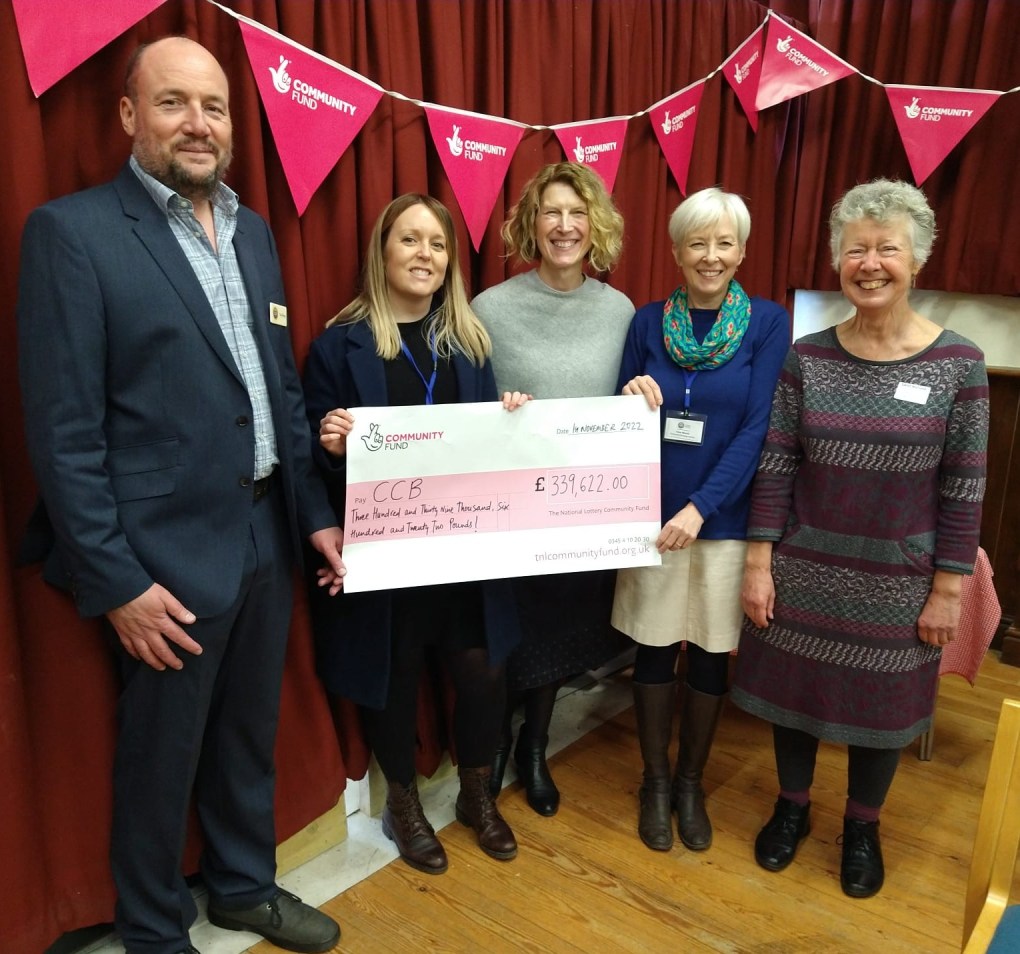
From April 2022- March 23 this project attracted funding from The National Lottery Community Funds Awards for All programme, Berkshire Community Foundation, St James’s Place Charitable Foundation, The Arnold Clark Community Fund, and support funding from DEFRA.

Over Covid lockdowns the project expanded from purely face-to-face support targeted delivery to offering a telephone advice service and, unsurprisingly, referrals and demand for this support continued to grow last winter as more and more families struggled with the cost-of-living crisis.

The complexity of the issues that Helen Dean, our Project Manager on this project, faced expanded. Helen explains; “This year saw both the telephone advice and bespoke advice to families take longer as there were many more issues to discuss. Switching suppliers and saving money that way was not an option, so I assisted families instead by offering tailored advice on reducing their energy and water usage at home, and ensuring they were claiming maximum water discounts. I also gave them calm, focused support to help them gain confidence in their abilities to tackle and resolve issues with their supplier around utility debt.

Issues around water, energy and other bills can seriously impact someone’s mental and physical wellbeing as families often had cold homes, and worried about how they could pay the bills which are so high. After receiving advice the families I spoke to found that they were better equipped to tackle their financial issues, their stress reduced, and they understood that small savings can all add up to bigger wins.”
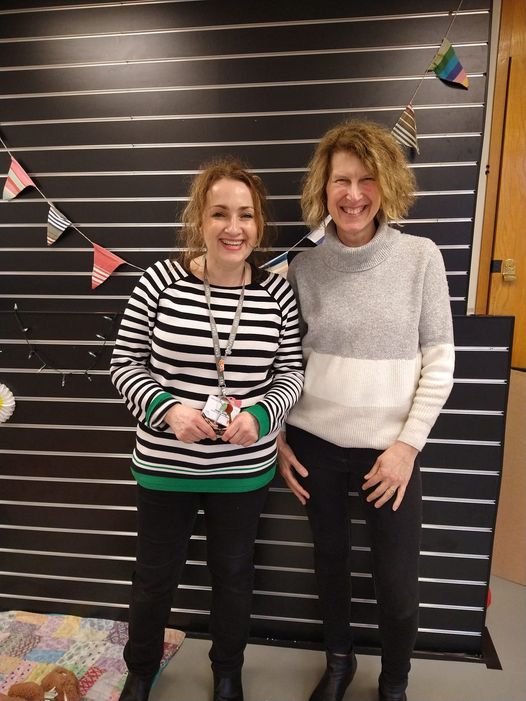
Families such as Chelsea, from West Berkshire; “I was extremely anxious and worried about my situation until I spoke to Helen, the worry around this had been heightened by my depression. After the conversations with Helen, I feel much more comfortable in contacting people, I have a list of ‘to dos’ which makes me feel that I am doing something and it will make a difference. Thanks to Helen’s knowledge I am feeling positive going forward and she has helped me form an ongoing plan for the future.”

Georgia from East Berkshire also received bespoke telephone advice she said “Before I spoke to Helen I was drained, worried and stressed about my bills. Helen provided a lot of helpful information and support with our bills, I can now take action on some of the things Helen suggested and feel more settled knowing there is help out there for us.”

Helen works closely with practitioners across Berkshire to ensure that those that need her support have access to it. In the last year she ran 17 drop-in sessions at the groups listed below, reaching 96 families of which 89% defined themselves as being in fuel poverty;

Homestart Greenham Homestart Riverside Penn Road Open morning Monksfield Way Open afternoon Thatcham Supported families   Bracknell Homestart Supported Families
Alana House drop-in session (Reading)
Theale Stay and Play Session
Victoria Park Family Hub Newbury Stay and Play
Thatcham Family Hub
Newbury Warm Hub + Food Bank
Hungerford Targeted Families Childrens Centre
Greenham Homestart Group
Speen Community Café
Riverside Homestart
Corn Exchange Becoming Us
Woolhampton Homestart Group

Feedback from families attending the sessions was really positive too;
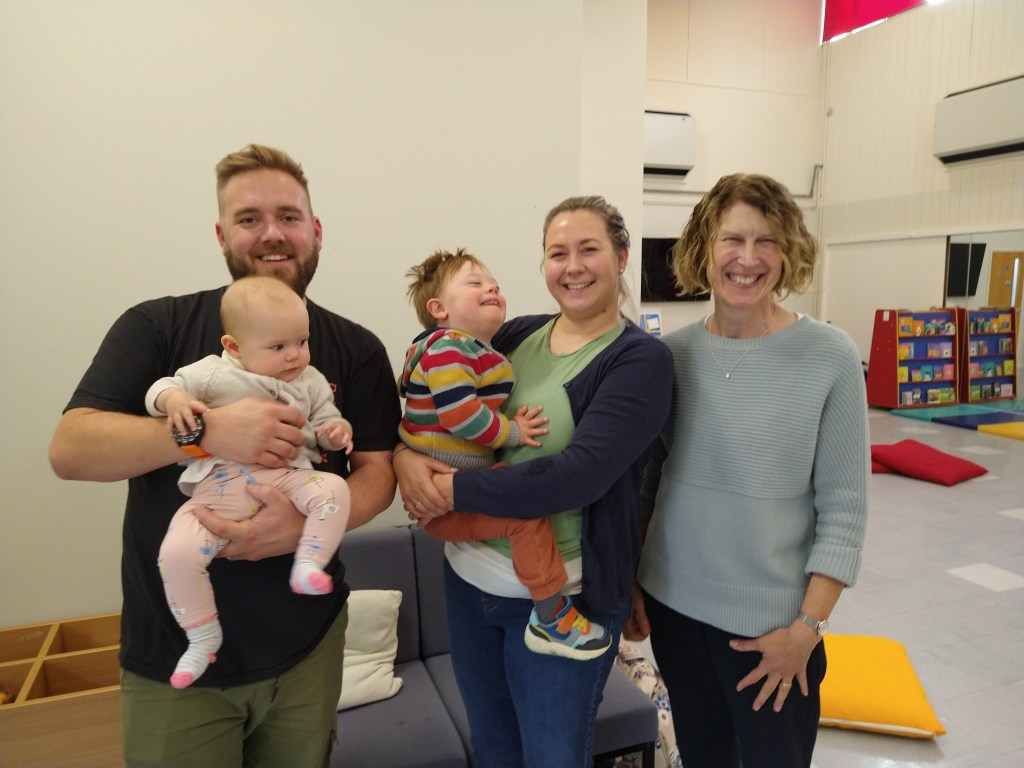
“Absolutely brilliant: articulate, friendly, digestible, and also interactive. Very informative too. Thank you Helen!” Corn Exchange attendee

Another key part of Helen’s project is to deliver training to practitioners and frontline workers who could then share their knowledge with the families they support directly, two of these sessions were also partially funded by West Berkshire Council Adult Community Learning.

Eight training sessions in total were delivered to social workers, family support workers, social prescribers, support workers for families with complex needs, foodbank volunteers and Berkshire Homestart staff & volunteers. In total 120 practitioners were trained who stated that they could cascade the information to an estimated 3843 families across the county in the 6 months following the training. This is the greatest impact through training we have achieved in a project year!

“Invaluable information that I can impart immediately. I couldn’t be happier, an excellent course. All 8 of my team that attended were inspired and feel a lot more confident to support our clients – thank you.” Fran Cummings West Berks Foodbank Manager.

“Very useful training, thank you so much, will use with all the families I help in future” Anne, Family Support Worker Windsor and Maidenhead Family Friends.
Rural Health & Wellbeing; Activating Village Halls

In 2021-22 as we emerged from lockdowns and the Covid pandemic village halls were in desperate need of new bookings to generate income. Also, older people, fearful of socialising but desperate for company, needed safe activities taking place in their communities to attend. A partnership opportunity with Get Berkshire Active presented itself that had the potential to address these two issues simultaneously.

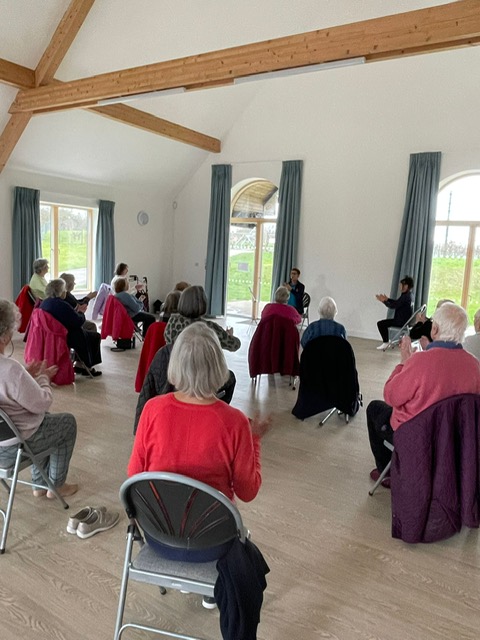
By the end of March 2022 and the end of a project funded by Get Berkshire Active using Sport England funding, 7 of the 10 seated exercise classes for older people established by CCB in rural communities were continuing beyond the end of the project. In one case the parish council agreed to fund the classes. In other areas, learner fees were sufficient to enable the class to continue. This demonstrated the sustainability of the activities established by this project and we decided to seek funding to further test the replicability of this success.

This year we successfully obtained funding from the McCarthy Stone Foundation to support the delivery of seated exercise classes to older people in the village of Hermitage. It is our ambition to find further sources of funding to replicate our learning from these projects and see more classes that our free or low cost so that people in our rural communities can be active no matter their age or physical abilities.

Quote from a Seated Exerciser; “Always nervous to go along to exercise classes for fear of feeling silly, but these classes are so easygoing, welcoming. Everyone becomes friends and you don’t feel silly as there’s no pressure. I do feel a little stronger in my limbs but it’s the friendships that are most important.”


What were we able to deliver in the first 6 months of the 21st Century Community Halls project?

In the Autumn of 2022 we launched an exciting new project thanks to funding from The National Lottery’s Community Fund Reaching Communities Programme (5 years) and The Prince’s Countryside Fund (year 1).

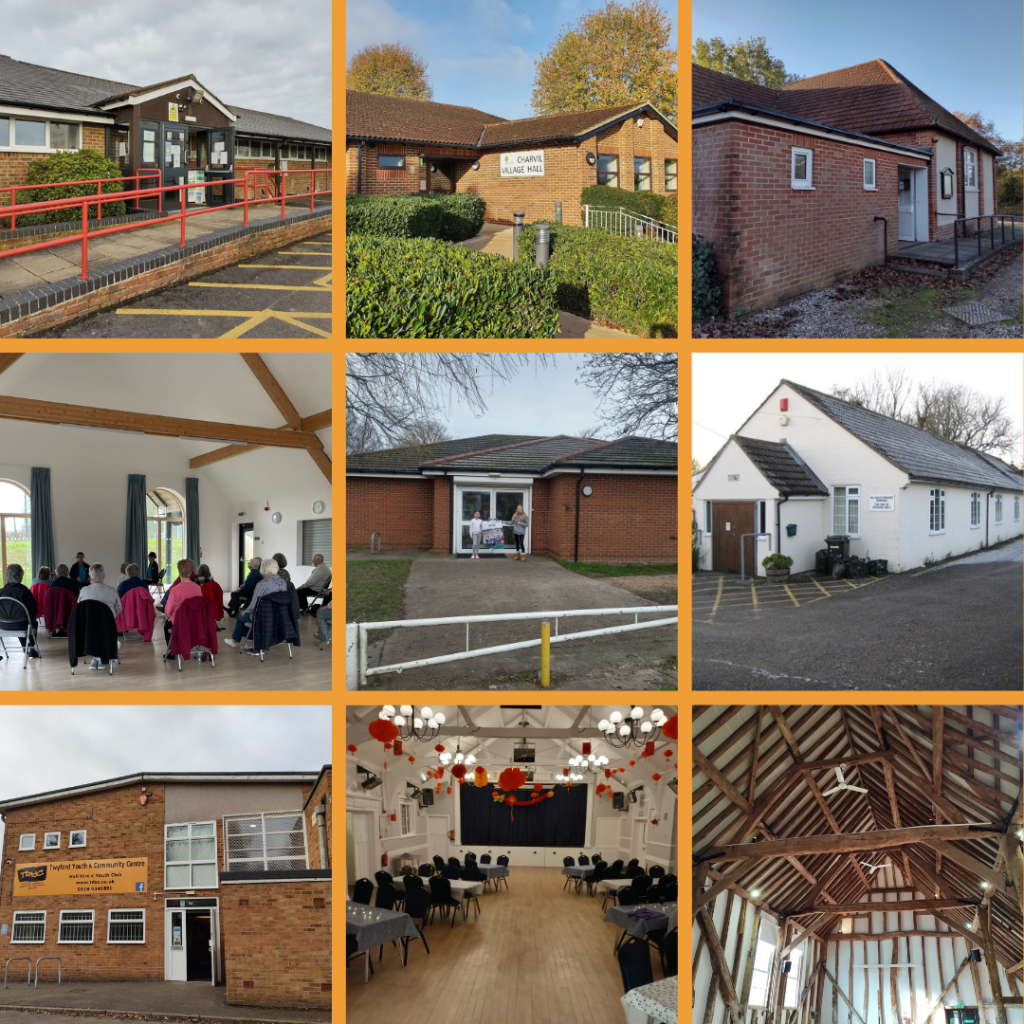
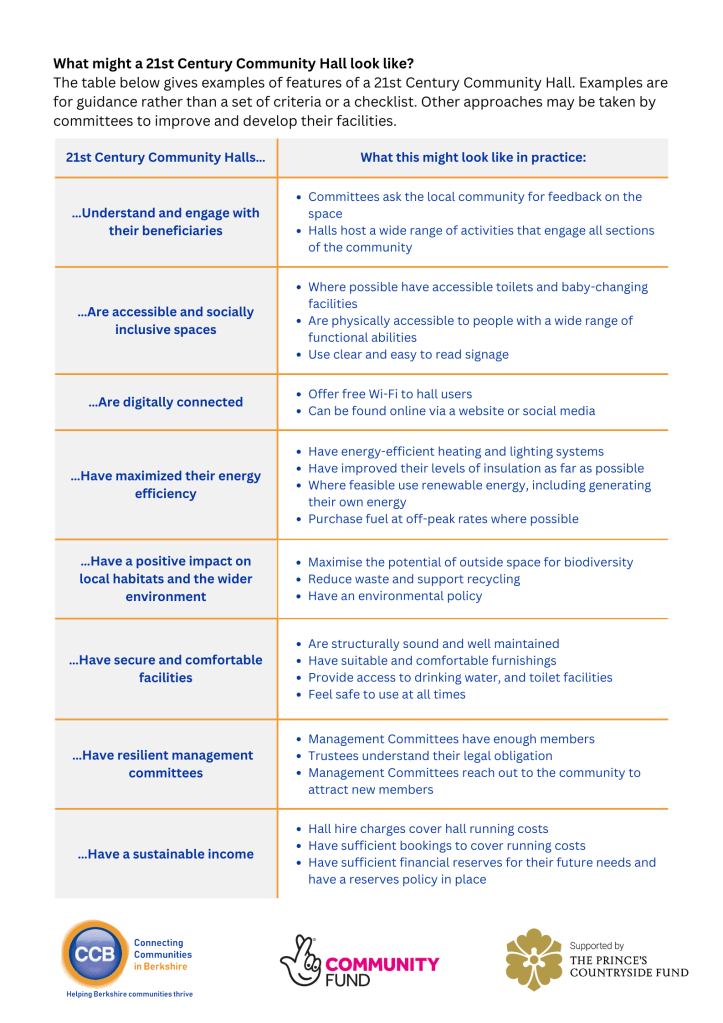
This project is an ambitious 5-year project that we are undertaking to research community halls in Berkshire to better understand the condition of these important community facilities and the needs and priorities of the volunteers or management committees who run them.

We are already working alongside committees to help improve and develop the facilities so that they are more energy efficient, environmentally friendly, financially sustainable and better connected with the communities they serve.


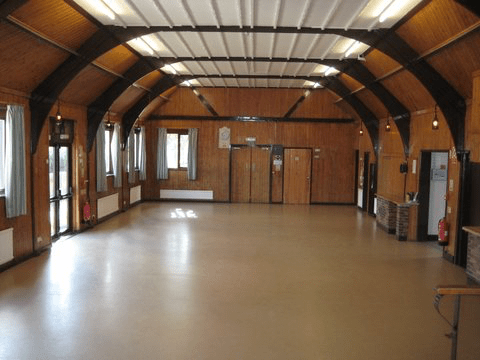
Our vision for a 21st-century community hall is outlined below;

In the first 6 months of this project (Oct 22 – March 23) we were pleased to welcome and recruit a new member to our team. Maria Kelly joined us from a strong community-focused background as our Project Development Officer. Maria is working alongside our Community Buildings Advisor Kate Meads to complete audits of the current state of the halls and uses outcomes to develop further needs and and projects.

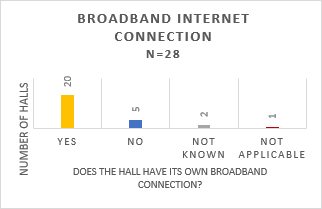
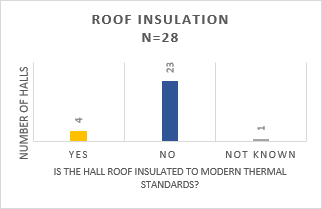
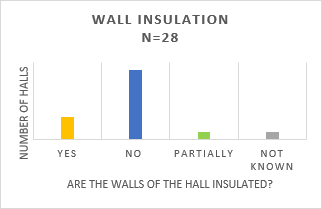
So far (March 23) 27 halls have completed audits in Berkshire and have already identified huge variations in the level of energy and thermal efficiency in rural halls.

Maria explains; “Most of the committees we have spoken to are desperate to make improvements to reduce their carbon footprint and energy bills. Common themes that are already emerging and that Kate and I will be working on over the next year includes supporting them to get good access to broadband, roof insultation, improvements to draughty fire exit doors and improve disability access.”

This project will ensure that local Halls in Berkshire will become more attractive, comfortable, and sustainable venues for the community to use and enjoy for the next 100 years.

Together we will ensure halls are able to offer more activities; reach more people in the community; reduce loneliness and isolation and become the vibrant heart of their community.

“I thought you might be interested to know that after your visit and 21st Century audit, we have made significant progress and after preparing a project plan of options and priorities, we currently have a bid in with West Berkshire Council to support improvements. We are waiting to hear if we are successful and if so, we should be able to install a new boiler, LED lights and insulate the hall roof and replace the old patio doors.  A big ‘Thank You’ for your help!” 

Mary, Shaw Cum Donnington Village Hall Trustee


Supporting Village Halls and Community Buildings throughout Berkshire

We provide a specialist Community Buildings Advice Service (CBAS) to members that give unique support to volunteer village hall & Community Building trustees/ management committees.

This bespoke service is mostly funded by the CBAS members paying for an annual subscription with additional funding to lower the fee for halls in Wokingham Borough from Wokingham Borough Council. A grant was also received from Peter Samuel Charitable Trust.


In 2022-23 we were able to deliver the following to our CBAS Membership;

  • Answer 161 requests for guidance from members that included a variety of questions/issues from gas safety, CCTV policies, online book systems, jubilee celebrations, banking issues, concerns over Trustees’ behaviour and much more.

A Village Hall in West Berkshire called our CBAS Advisor Kate extremely concerned as their latest insurance premium quote had increased by a whopping 40% compared to the previous year. Kate delved into this and contacted some reputable Village Hall insurance specialists. As a result of Kate’s research, the Village Hall got a much better deal and was able to reduce it by £200 compared to the previous year – a much better outcome than a 40% increase!

  • We offer our members free access to Basecamp – a digital platform that allows sharing and a discussion platform that contains case studies and key supporting documents. Discussion on this platform over the last year included sharing recommendations for baby change units and structural engineers, how to procure contractors, setting up Warm and Digital Hubs, and insurance for bouncy castle events.
  • Kate arranged and delivered a range of useful training workshops including;
    o Digital Savvy Village Halls
    o Hallmark 2 Wokingham
    o Hallmark 2 West Berkshire
    o Low Carbon Village Halls
    o Environmental Policy & Audit
    o Trustee Training
    o Energy saving
    o Hallmark Level 1
    o Funding (inc. Platinum Jubilee fund)
    o Dementia-Friendly Village Halls
    o Social Media for village halls
  • The service also provided proactive information and advice by distributing information on matters of interest and funding opportunities in e-newsletters every other month.
  • To represent our CBAS members Kate attended West Berkshire Council Community Energy subgroup, & Wokingham Borough Council Climate Change Partnership meetings. Kate collaborates with 38 other advisors across England to share knowledge, understand issues and find solutions. In turn, all 38 advisors in England attend an annual conference spearheaded by our national body Action with Communities in Rural England.

Jacob from a Berkshire Village Hall

“In terms of support, Kate Meads was instrumental in helping to navigate an extremely tumultuous time. Kate was extremely quick to respond to calls and emails, never treated a question as stupid (though I’m sure some were) and always took the time to provide thorough, well-thought-out, insightful and helpful advice and/or guidance. I’m happy to say our hall is now a thriving, buzzing hub for our community and a lot of that is down to support Kate gave me and the committee, to empower us and help us to make good decisions. Our community is certainly better off thanks to her involvement.”

Linda Gale, Trustee from Spencer’s Wood Village Hall

The management committee at Spencers Wood Village Hall has benefitted enormously from our membership of Community Buildings Advice Service both before Covid lockdown and more especially since, when the task of picking up the pieces has been difficult for most community buildings management groups.

Kate Meads and her team at CCB have always been a great source of information and advice whenever the committee has sought clarification on various management issues including Personnel management, Health & Safety, Utilities guidance, Energy efficiency, Trustee responsibilities, Fundraising and Grant opportunities, PR and Social Media, and general law and community issues.

Through our membership of CCB’s Community Buildings Advice Service they have been able to offer training to committee members, both face to face and online, which has been very helpful, sometimes showing how other village halls are managed and other times providing more in-depth knowledge and insight into the many management areas that the committee has responsibility for. The scheme for Hallmark accreditation has been particularly enlightening.

On a more personal note, Kate and her team have always been receptive to the concerns of individual members of the committee, showing depth of empathy and understanding, and always confidentiality. In short, I believe the service provided is essential to support the various volunteers managing community buildings.


Rural households are being disproportionately impacted by the cost-of-living crisis

Our national body Action with Communities in Rural England (ACRE) cites the combined impact of rising fuel prices, cost of housing and access to services as factors making life especially difficult for people living in the countryside.

In a briefing considering how the rural characteristics of the cost-of-living crisis published recently, the charity claims deprivation in the countryside is often overlooked by policy makers who fail to recognise the profoundly limiting circumstances in which many low-income households find themselves.

It is estimated that 27% of rural households are currently in fuel poverty, many of whom are off the gas grid and have not received the same level of government subsidy as those on dual tariffs.

Housing affordability has also got worse in rural areas since the pandemic. Between 2020 and 2021, it was estimated rental prices in suburban and rural areas jumped by 11% compared to just 2% in urban areas. And in 2022, the cheapest properties to buy were 8.8 times the earnings of those on lower incomes, compared with 7.6 times earnings in the city.

Perhaps the most distinctive challenge facing rural households is access to services. Given that rural residents often need to travel more frequently and further to access employment and services, they have also been disproportionately affected by rising fuel prices which increased from £1.16 per litre for petrol in 2020 to £1.65 in 2022, and £1.19 to £1.78 for diesel respectively.

The human consequences of the cost-of-living crisis in rural areas can already be seen. Citizen Advice reports that energy debt is now the most common problem that people are presenting with in rural areas. A recent academic study supported by a range of organisations including ACRE, found that 91% of frontline workers in rural areas have seen homelessness increase in their area over the past five years. And data published by the Trussell Trust shows that 65% more food parcels were distributed in rural districts in 2022/23 compared with 2020/21.

The briefing comes as the All-Party Parliamentary Group for Rural Business and the Rural Powerhouse chaired by Julian Strudy MP and Lord Cameron of Dillington published its own report, ‘The Rural Premium’ based on written and oral evidence from stakeholders across the rural economy including ACRE. This report also details how those living and working in rural communities are at a disadvantage in terms of everyday living requirements, housing, employment and energy.

Commenting on the publication of ACRE’s briefing, Richard Quallington, Executive Director of the charity said: “Far too often the needs and concerns of rural communities escapes the lens of policy makers. This has certainly been the case over the past couple of years as the cost-of-living crisis has disproportionately ground down on many lower income rural households. Not only have sticky plaster initiatives such as the Energy Bills Support Scheme failed to recognise and address the specific circumstances of those living in the countryside, but long-term structural problems such as the lack affordable homes and access to services have gone neglected.

Whilst there is no magic bullet, we hope that at the very least the evidence we have published will trigger a much-needed conversation about what it means to be left behind in rural areas, and what can be done to achieve levelling up in the countryside”.