In 2018 the Government published its Serious Violence Strategy & in 2019 funding was provided to police forces to assist them in developing their local response to the increase in violent crime. In support of this strategy, Thames Valley Police have recently provided funding to the Thames Valley Partnership to enable them to expand their existing mentoring programme, New Leaf, so as be able to offer mentoring support to young people and adults that are at risk of exclusion and /or currently within the criminal justice system.
Collaborative Approaches to Preventing Offending and Reoffending by Children (CAPRICORN) published in August 2019 indicates that mentoring can be an effective way to engage with a young person who is at risk of reoffending: gov.uk/capricorn
Mentoring is particularly helpful when a young person does not have a positive role model within their family or support network, where they are socially isolated, have low self-esteem and they struggle to form and maintaining healthy relationships. Starting Point are working with the Thames Valley.
Action with Communities in Rural England (ACRE) has been awarded over £100k from the National Lottery Community Fund to promote good safeguarding practice to village and community halls throughout England.
We will be working to make sure that the voluntary management committees that run halls and community buildings have the knowledge and confidence to provide a safe environment for all.
Advice and examples of best practice will be shared with those managing and using village and community halls so that they fully understand their responsibilities and have appropriate and proportionate policies and procedures in place.
The project will be rolled out using our network of 38 county-based members (of which CCB are the member in Berkshire) who already provide support to rural village and community halls. We will be working with management committees to help them understand current legislation around safeguarding and make sure procedures are in place which reflect good practice. Ultimately, our aim is to increase awareness of the importance of safeguarding and making sure that these important rural assets are welcoming and safe places for all.
England’s 10,000 village halls are at the heart of rural community life – providing a hub for social activities, classes and services. Through its network of skilled advisers, ACRE supports the 80,000 volunteers who run village halls and similar rural community buildings.
Thank you to Berkshire CVS’s for providing the information found on this news items. Thank you to Reaving Voluntary Action, West Berkshire Volunteer Centre, Slough CVS & Wokingham & Bracknell InVOLve. Please check it regularly as we add to it as the month progresses.
Ecclesiastical
Awards up to £50,000 to help longer-term project funding The Grant must be used: • to cover a specific project (rather than funding general ongoing running costs); • to take an existing successful project or initiative to a new level or bring a creative and challenging new idea to fruition; and • to advance education and skills; citizenship or community development; and/or the advancement of arts, culture or heritage Apply by 24th July see https://www.ecclesiastical.com/ for details and to apply
Covid-19 Equine Rescues Emergency Fund The fund will help smaller equine welfare organisations significantly impacted by the current crisis. Applicants need not be NEWC members, but rescue and rehoming of equines should be the primary focus of the organisation. Round 2 deadline 24th July 2020 (payment by 7th August). Round 3 deadlie 16th October 2020 (payment by 30th October). See https://petplancharitabletrust.org.uk/covid-19-equine-emergency-fund/ for details and apply.
Respond & re-imagine grants of £10,000 to £50,000. New grants to help museums, galleries and cultural organisations respond to challenges connected to the Covid-19 crisis, and support to adapt and re-imagine ways of working for the future. There are three funding rounds for these grants: Round 1: Apply by 6 July 2020, with a decision by 31 July 2020 Round 2: Apply by 17 August 2020, a with a decision by 21 September 2020 Round 3: Apply by 12 October 2020, with a decision by 9 November 2020 see https://www.artfund.org/supporting-museums/programmes/respond-and-reimagine-grants
UK Theatres Small Grants Scheme This is a capital fund that awards up to £5,000 to theatres run by charities and not-for-profit groups that can clearly demonstrate the value capital improvements to their theatres would make to their work in local communities. Apply by 5 October 2020. For details see http://www.theatrestrust.org.uk/uk-theatres-small-grants-scheme
Ministry of Housing, Communities & Local Government Data and digital tools to support COVID19 recovery across local governmentMHCLG’s fund responds to the need for digital and data-enabled approaches to council operations post-COVID-19. Applications invited from three thematic areas: • Data and reporting Community engagement • Developing new working practices Applications do not need to have a pure technology focus – please refer to the Local Digital Declaration tthe principles encouraged in every project. Lead applicants and partners must be Local Digital Declaration signatories. Deadline 15 July 2020 see https://localdigital.gov.uk/c19-challenge/
The Bailey Thomas Charitable Fund The small grants fund helps organisations working with people affected by learning difficulties. It is for capital and revenue costs and for both specific projects and for general running/core costs. Grants are awarded for amounts from £250 -£10,000. Apply any time. See http://www.bailythomas.org.uk/grants/general-programme to apply on line.
National Lottery Community Fund – Awards for All Covid-19 Response funding open
The National Lottery Community Fund (NLCF) Awards for All funding will prioritise Covid-19 response for the next six months, in particular applications from:
Organisations supporting people who are at high risk from Covid-19.
Organisations supporting communities most likely to face increased demand and challenges as a direct result of measures to prevent the result of Covid-19.
Organisations with high potential to support communities with the direct and indirect impact of Covid-19
Applications are being assessed as quickly as possible and successful applicants will receive the funding within 14 days of the decision.
For further guidance on making funding applications or if your group is adapting its services to meet the Covid-19 need, contact advice@rva.org.uk for advice and support.
Alpkit Foundation – Covid-19 response funding for grassroots groups
Alpkit Foundation are now prioritising their funds to support projects that demonstrate an immediate impact on those affected by the Covid-19 virus crisis.
Examples of projects they will consider:
Being active in your local community to help elderly or vulnerable people.
Minimising the impact of self-isolation for those in quarantine and need access to food, medicines or social care.
Supporting food banks and increasing the number of meals on wheels deliveries to support the elderly.
Supporting those who are homeless or in temporary accommodation.
Bringing adventure indoors and overcoming the obstacles that prevent us benefiting from going outdoors.
Who can apply?
Alpkit welcomes any applications from individuals or organisations serving those affected by the coronavirus across the country.
How much can you apply for?
You can apply for funding up to £500. (NB: This funder has generally donated around £60,000 per year)
How quick is the turn around?
They urge applicants to get in touch, and say trustees are available at a moment’s notice to approve applications and can respond very quickly if needs be.
The Care Workers’ Charity The Care Workers’ Charity currently offers two grant funds, the Crisis Grant Fund and the Covid-19 Emergency Fund.
The Care Workers’ Charity COVID-19 Grant Fund aims to provide emergency funding for individuals who are currently employed in a role that is involved in or supports the provision of adult, elderly or disability care. These may include residential social care, domiciliary/home care, supported living care.
The Care Workers Charity is currently offering the following grants: ISOLATION AND SHIELDING GRANTS – If you have taken two or more weeks off work due to Covid-19 for either illness, self-isolation, or shielding. We are currently awarding between £500 (2 weeks of self-isolation), up to £2,000 (12 weeks of shielding). FUNERAL COST GRANT – If you are a care worker who is responsible for paying the funeral costs of a next of kin (partner, parent, sibling, child, or other on a case-by-case basis) OR if you are the next of kin for a care worker who has passed on from COVID–19, then we are awarding grants of up to £2000. Read more
Frugi’s Happy Childhood Fund
The deadline is approaching for this fund; supports small, grass roots registered charities across the UK improving the lives of children living in poverty.
There are 3 priorities:
Hunger
Shelter
Nature
They look to fund small projects in their entirety, not running costs.
Small grants are available for small, locally based voluntary and community groups to support projects which benefit local communities around Co-op food stores and funeral homes across the UK. No size specified, but grants are typically around £2,000.
Funding for Young People’s activities in Slough The YES Summer Programme will be out in the next couple of weeks. If you need any support with funding activities with/for Young People aged 11 to 25, email Dom and the team at info@yesslough.org.uk
Early Years Opportunities grants: Large and Small Early years grants help disadvantaged children and young people overcome the barriers they face to achieve the best possible start in life. Small grants of between £500 and £15,000 over 1-3 years are open to charities with incomes under £500,000. These small grants are unrestricted. Apply by 31 August 2020 (notification in March 2021)
Large Grants are available for charities with incomes of over £500,000. The money is for projects, Apply by 31 July 2020 (notification in March 2021). See https://mcf.org.uk/apply-early-years/Over 60’s and BAME Communities Grants of up to £1,000 are available to UK charities with income over £100,000, and that focus on the often complex issues arising from Covid 19 those aged 60 and over. Priority given to BAME communities. Apply by 31st July 2020 see https://austin-hope-pilkington.org.uk/how-to-apply/
Charity Survival Fund for Health and Wellbeing, Welfare and Education, Arts and Culture This £10m Fund will provide core funding to help charities, especially small and medium sized, to offset lost income in the current financial year. Apply by Monday 27 July 2020. See eligibility, other details and application form at https://www.juliahansrausingtrust.org/charity-survival-fund/.
SOVEREIGN COMMUNITY FUND 2020/21 Sovereign has £120,000 of Community Funding for 2020/2021 (£40,000 over three grant rounds).Deadlines for the rounds are below 1: August 31, 2020 – Young People and Financial and Digital Inclusion 2: November 30, 2020 – Homelessness prevention and Re-entering the job market 3: February 28, 2021 – Ageing Well and Place and community The first round is now open for applications and Community groups and charities can apply through The Good Exchange (not directly to Sovereign), See details and apply via the good exchange https://app.thegoodexchange.com/funders/10874/sovereign-housing-association
Aviva Community Fund offers match funding for crowd funded projects. The fund now includes applications for projects that enable causes to adapt or continue their vital services by covering core running costs, so they can help their beneficiaries and communities during this time of need. see details at https://www.avivacommunityfund.co.uk/start-crowdfunding#criteria. Applications are now open for the next round of the Aviva Community Fund until 28th July.
Co-op Local Community Fund Grants are available for small, locally based voluntary and community groups to support projects which benefit local communities around Co-op food stores and funeral homes across the UK. See https://causes.coop.co.uk/?_ga=2.104469312.1153307765.1594205699-682938987.1594205699 and check your local co-op is still accepting applications. Deadline 12th July.
Hospital Saturday Fund HSF provides grants for a range of health projects, care, research or support of medical training. Not sure if you are eligible for an HSF grant? Have a look around the website to get an idea of the range of people and organisations helped. Grants to £2000 and to £10000. See https://hospitalsaturdayfund.org/ apply by 13th July 2020
Early Years Opportunities Grants: Large and Small Early years grants help disadvantaged children and young people overcome the barriers they face to achieve the best possible start in life. See mcf.org.uk/early-years Over 60’s & BAME Communities Grants of up to £1,000 are available to UK charities with income over £100,000, and that focus on the often complex issues arising from Covid 19 those aged 60 and over. Priority given to BAME communities. See austin-hope-pilkington.org.uk Charity Survival Fund for Health & Wellbeing, Welfare & Education, Arts & Culture This £10m Fund will provide core funding to help charities, especially small and medium sized, to offset lost income in the current financial year. Apply by Mon 27 July 2020. See eligibility, other details & application form at juliahansrausingtrust.org/charity-survival-fund Sovereign Community Fund 2020/21 Sovereign has £120,000 of Community Funding for 2020/2021 (£40,000 over 3 grant rounds). The first round is now open for applications and Community groups & charities can apply through The Good Exchange. See details & apply via thegoodexchange.com/sovereign Aviva Community Fund Aviva Community Fund offers match funding for crowd funded projects. The fund now includes applications for projects that enable causes to adapt or continue their vital services by covering core running costs, so they can help their beneficiaries and communities during this time of need. See avivacommunityfund.co.uk. Applications are now open until 28th July. Grants for Arts and Mental Health Modest, unrestricted grants (to £15,000) to established organisations in the UK that focus solely on offering creative opportunities to people living with mental health problems using the skills of professionally trained artists. Apply by 18th August:baringfoundation.org.uk
Low Carbon Workplaces Grants for Berkshire Businesses Low Carbon Workspaces are now delivering a total pot of £375,000 in grant funding to help small and medium sized enterprises in Berkshire identify energy reduction opportunities and to subsidise the cost of energy efficiency solutions. 75 grants of between £1,000 and £5,000 are available to help fund up to a third of the cost of energy saving measures such as insulation, LED lighting, energy efficient boilers, air-source heat pumps and electric vehicles.
B.A.M.E Infrastructure Support Fund UK Community Foundations wants to help BAME groups apply to the Covid Response Fund, which gives grants up to £5,000 to support communities through the pandemic.
To do this, they are offering grants to BAME led infrastructure organisations (this means that they support other groups) to help people apply to the fund.
The infrastructure organisations can apply for grants of £5,000 – £20,000 over three months to do things like:
Awareness-raising via marketing and communications
Mentoring/supporting of groups through the local Community Foundation application process
Support with monitoring and reporting
Provision of micro grants to enable applications for NET funding through community foundations
Building relationships to help community foundations identify and address barriers to funding BAME-led organisations and communities
Charity Survival Fund Julia and Hans Rausing Trust are committing £10million to help charities that have lost income. It is fund is open to UK registered charities that operate across one of the areas of:
health and wellbeing
welfare and education
arts and culture
Grant size varies according to your income: up to £5,000 for groups with an income up to £20,000, rising to £250,000 for those with an income above £1/2million.
British Red Cross Hardship Fund The British Red Cross Hardship Fund aims to address acute hardship and suffering to the those who are vulnerable, providing a short-term financial safety net for people most impacted by the pandemic. The fund aims to support up to 13,000 of the most vulnerable over a three-month period. Learn more: hardshipfund.redcross.org.uk.
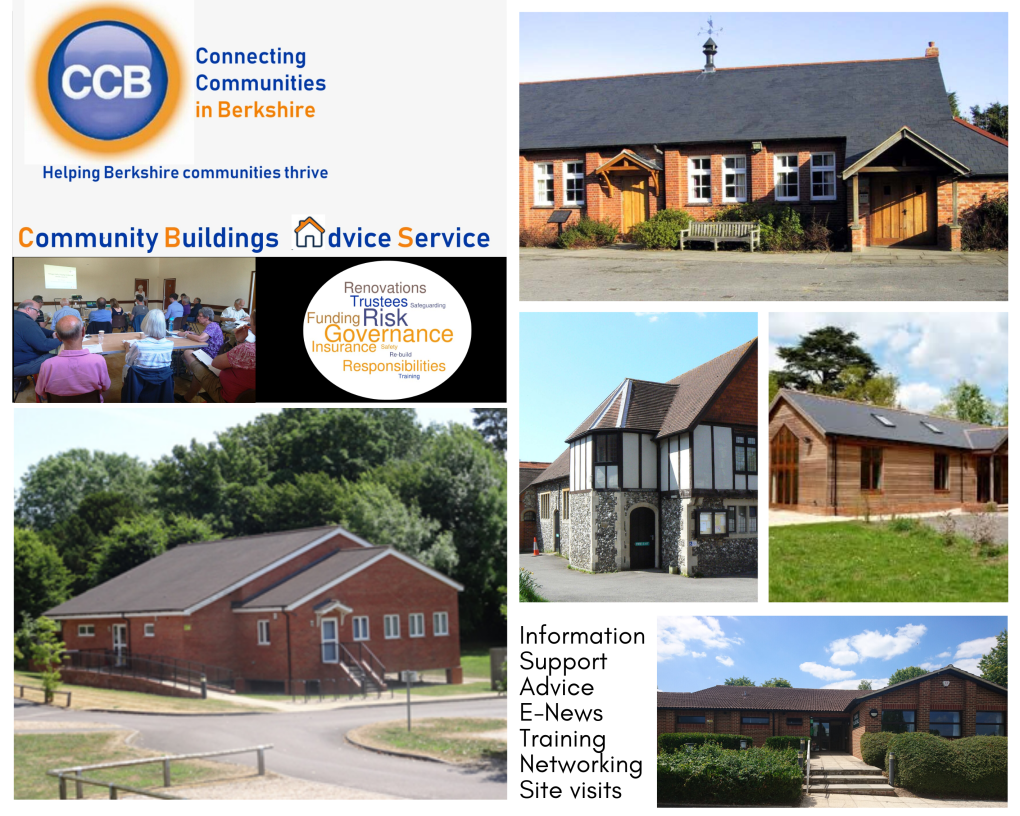
Practical information to help village halls reopen published by leading rural charity and CCB’s national network Action with Communities in Rural England (ACRE), the national charity which champions and supports community-led projects and assets in the countryside, has today published comprehensive information that will help village and community halls reopen once government coronavirus restrictions are lifted.
“We know that up and down England village halls support close to 300 different kinds of activities across England and for a busy hall, finding the time between bookings to clean to Covid-19 requirements will be a challenge.” On Monday 15 June the government changed the rules to permit holding indoor markets in community buildings and it has now been confirmed that village halls can re-open for some activities from 4th July.
Deborah Clarke, ACRE’s Rural Evidence and Village Halls Manager said, “Over the past couple of months we have been contacted by numerous volunteers who manage village halls wanting to know how and when they can reopen and help their community recover from Covid19. That’s why we’ve been working with relevant government departments to make sense of the emerging regulations and produce this guidance which is tailored to village halls. I encourage all village halls committees to read this information as it will allow them to put in place measures needed to make their buildings safe for use before they are given the green light to open their doors once again”.
At CCB Kate Meads our Community Building Advisor has put together information and presentations for Village Hall Trustees on Re-opening their village halls post Covid-19 via a webinar. Both sessions are now fully booked but if you have questions concerning this and would like to know more about our Community Buildings Advice membership which offers support and advice with this and many other common enquiries please contact Kate.Meads@ccberks.org.uk.
Our charity Connecting Communities in Berkshire (CCB) is a membership organisation, and organisations and individuals can join CCB to support our work and benefit from our membership offers. Becoming a member of CCB is an effective and rewarding route to building connections, accessing information and support, and helping to ensure communities like yours are strong, successful and well represented.
The cost of membership for 2020 is £35 for parish/town council and voluntary or community organisations or £18 for individuals.
Please take a moment to read our 2020 Annual Review by clicking here which gives a snapshot of all that we have been able to deliver as a charity over the course of the last year. Our membership is always at the core of what we do and key benefits to our standard members can be found below:
Benefits of Membership Specific membership benefits you can expect to receive include: • Free or discounted training opportunities at our range of courses that ultimately focus on strengthening communities. • The opportunity to become a CCB Trustee and to nominate and elect members to our Board. • An invitation to attend our training conference and Annual General Meeting (1 vote per membership) • Monthly e-bulletins and updates on our work including services, funding opportunities, events and training workshops that may be of benefit to you, your colleagues and community. • The opportunity to market your community events, news or local facilities via our e-bulletin and website. • Prompt access to the CCB team who will be available to discuss issues affecting your community.
We also offer a bespoke membership service to those volunteers and trustees involved with Village Halls and Community Buildings. To read more about this please click here. If you heat your home or business using oil you may be interested in joining our Oil Club which offers savings to members by bulk buying oil. Please click here for information on this.

 Over 60’s and BAME Communities Grants of up to £1,000 are available to UK charities with income over £100,000, and that focus on the often complex issues arising from Covid 19 those aged 60 and over. Priority given to BAME communities. Apply by 31st July 2020 see