

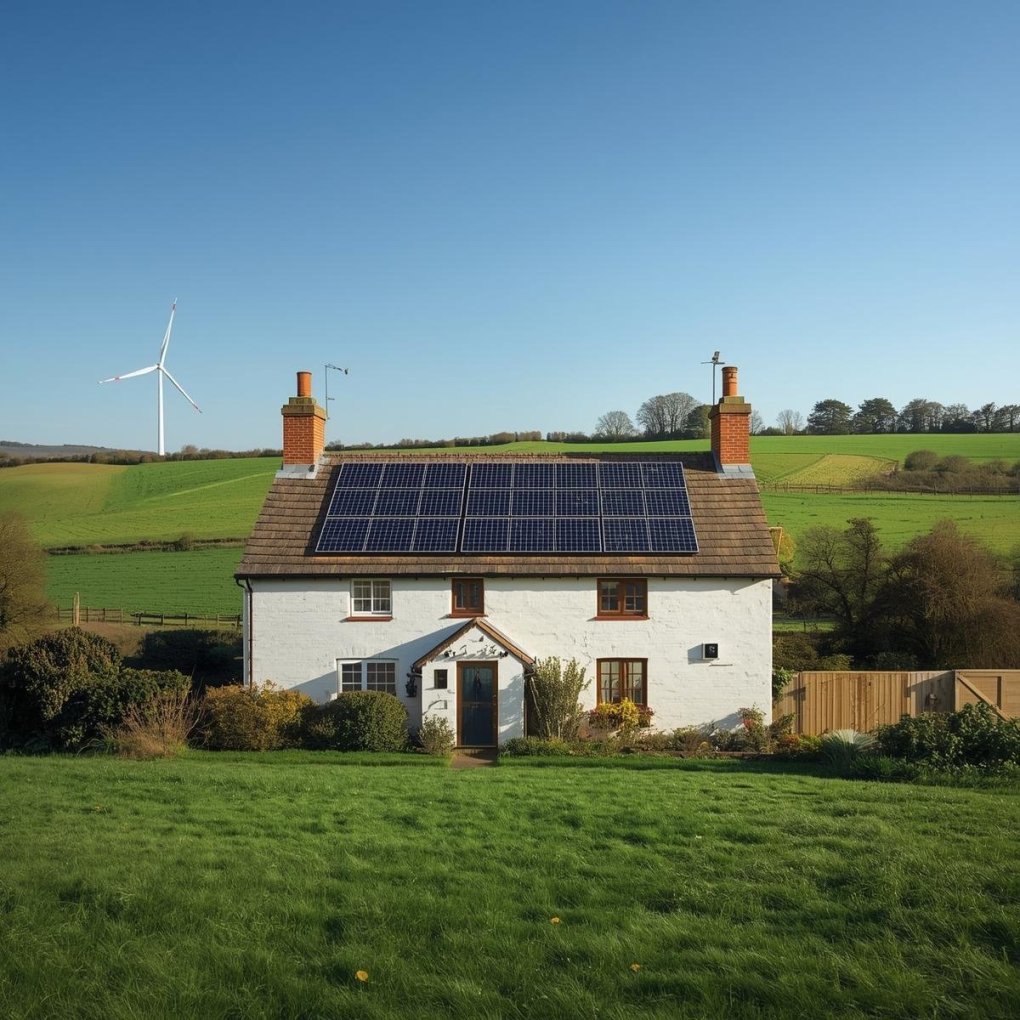
Introducing the Rural Energy Club – Empowering Households for a Greener Future
The Rural Energy Club is a new initiative from CCB designed to support rural households in understanding, managing, and reducing their energy use. It’s a welcoming space where you can access simple, independent information about:
- How to cut energy use and lower bills
- Low carbon heating systems and home renewable energy options
- Why energy choices matter for the environment and how you can help the UK move towards net zero
- Trusted links to other organisations offering practical advice and resources
We believe that everyone should have the opportunity to take control of their energy future – and that rural communities deserve tailored and independent support to do just that.
Reduce Your Home Fuel Consumption and Lower Your Carbon Footprint
Reducing household fuel consumption brings a range of benefits – financial, environmental, and sustainable. By using less fuel, you can lower your energy bills, improve air quality, and reduce your carbon footprint, all of which contribute to a healthier planet and a more sustainable future.
Ways to Reduce Your Household Carbon Footprint:
Waste Reduction
Minimise household waste through recycling, composting, and mindful consumption.
Energy Reduction
Improve insulation, switch to energy-efficient appliances, and adopt energy-saving habits.
Clean Heating systems Consider adopting a clean Low Carbon heating system e.g. air or ground source heating, biomass or infra-red
Generate Clean Energy On-Site
Install solar photovoltaic or thermal panels, or even wind turbines (if suitable to your site) to produce renewable energy at home.
Store Energy Use battery storage to store and use your solar generated electricity effectively. If you don’t have solar, battery storage can enable you to buy and store electricity at lower prices (e.g. at night) when demand on the grid is low.
Why Are Communities, Councils and Governments Driving Towards Low Carbon and Net Zero?
Since the start of the Industrial Revolution, man-made carbon dioxide (CO₂) emissions have steadily increased – particularly sharply since 1950. In fact, cumulative CO₂ emissions more than doubled between 1970 and 2011.
According to the UK Government’s Department for Energy Security and Net Zero (2019 UK Greenhouse Gas Emissions, Final Figures, published in 2021), total UK greenhouse gas emissions in 2019 were 454.8 million tonnes of carbon dioxide equivalent (MtCO₂e). Of these, 80% were from CO₂. These figures include the full Kyoto “basket” of seven greenhouse gases, all expressed in CO₂e.
Since 1990, the UK has achieved a 43.8% reduction in greenhouse gas emissions. The most significant reductions have come from the energy supply sector, largely due to a decline in coal use for electricity generation and a rise in renewable energy sources.
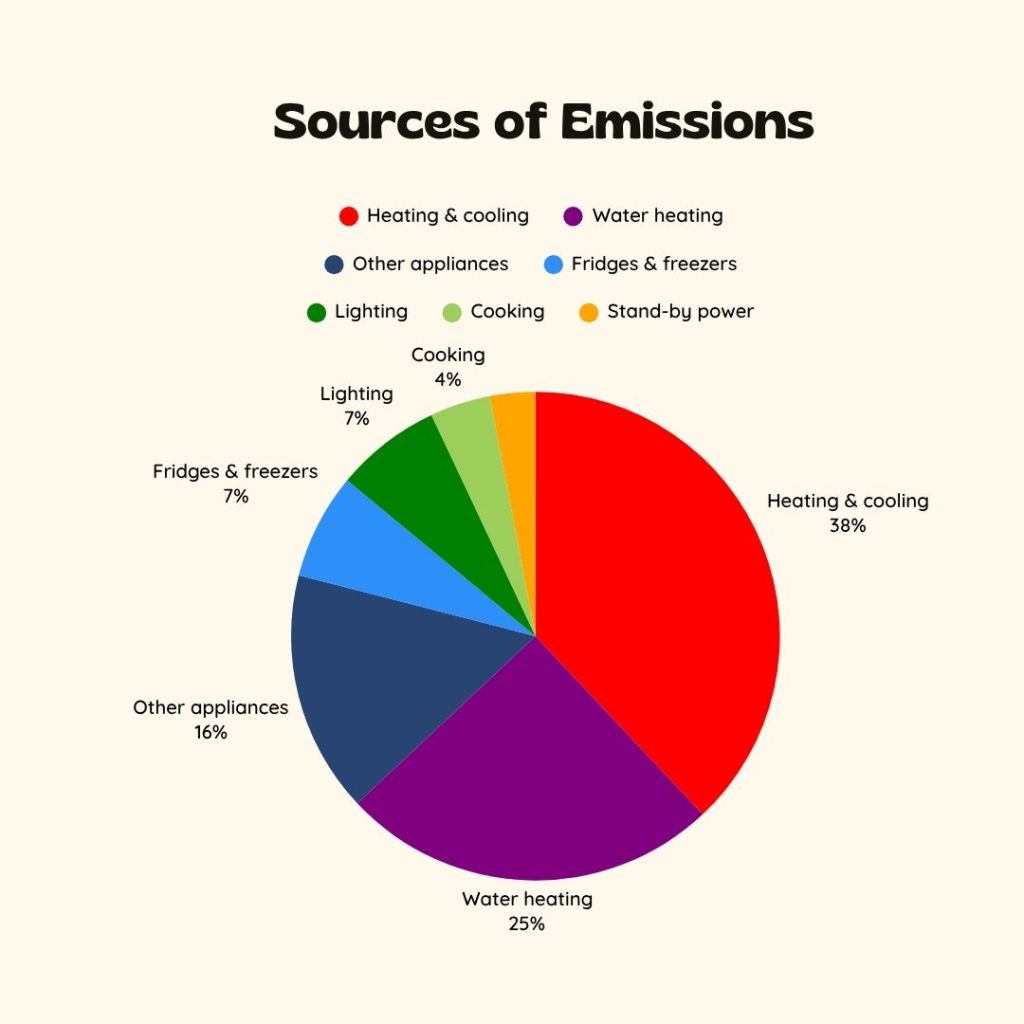
In 2019, the breakdown of UK net greenhouse gas emissions by sector was approximately:
27% – Transport
21% – Energy supply
17% – Business
15% – Residential
10% – Agriculture
10% – Other sectors (including waste management, industrial processes, public sector, and land use change)
The residential sector, responsible for around 15% of emissions, primarily contributes through fuel combustion for heating and cooking, garden machinery, and fluorinated gases from aerosols. Carbon dioxide accounts for 96% of emissions in this sector, with natural gas being the main source.
What Can You Do?
Start with actions that are free or low-cost – these can help you use less energy, waste less, and reduce your fuel bills.
1. Behaviour
Simple behavioural changes can make a big difference:
Educate others in your household about energy use—make it a challenge! Set targets to reduce kWh usage and involve everyone in the positive action. If you have a smart meter, it’s easy to track your progress.
Switch off lights when not in use.
Set your thermostat to come on and off only when needed. Aim for a minimum household temperature of around 18-21 degrees, depending on the needs of those in your household.
Turn off equipment overnight or enable power-saving settings.
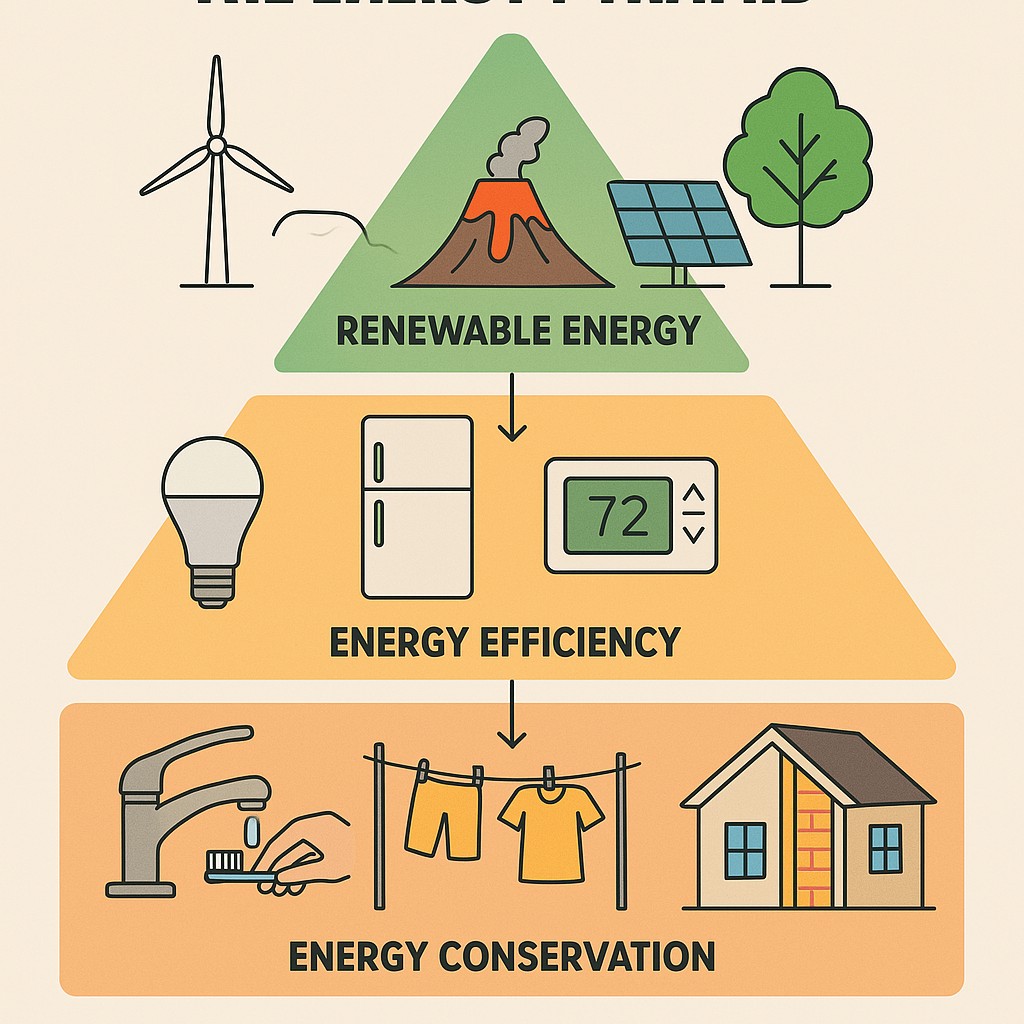
2. Fabric of Your Property
- Reduce draughts: Check around doors, windows, cat flaps, loft hatches, and letterboxes. Fit or adjust draught excluders to keep warm air in and cold air out.
- Check insulation:
- Cavity walls: Are they insulated? If not, consider adding insulation.
- Loft insulation: Aim for at least 300mm of insulation in your loft.
- Floor insulation: If replacing flooring, consider improving insulation underneath.
- Hot water pipes and cylinders: Ensure these are well insulated to reduce heat loss.
- Lighting:
- Replace old-style bulbs with LED lighting – they use much less energy and pay for themselves quickly.
- Lighting can account for up to 40% of your electricity use.
- Benefits of LED lighting:
- Improved light quality for working and reading.
- Suitable for all areas of the home.
- Can include features like occupancy sensors and daylight controls to reduce waste.
- Windows: Installing double or triple glazing helps reduce heat loss and improves comfort.
👉 Use our handy Home Energy Checklist to get started.
3. Lower Carbon Technologies
Low-carbon domestic heating systems can significantly reduce emissions, lower energy bills, and improve indoor air quality. They also support energy security and the UK’s transition to a Net Zero economy.
👉 The Centre for Sustainable Energy have some excellent home energy advice leaflets https://www.cse.org.uk/resource/home-energy-advice-leaflets/ and check out our own Energy Advice page for other useful tips and support: https://ccberks.org.uk/our-projects/energy-advice-and-fuel-poverty/
4. Energy Generation
Generating your own energy—such as through solar panels, solar thermal, wind turbines, or biomass systems—can reduce your reliance on fossil fuels and lower your carbon footprint.
5. Energy Storage
Energy storage solutions, such as battery systems and high-efficiency hot water cylinders, allow you to store energy when it’s cheaper and cleaner (e.g. during the day when solar power is available). This stored energy can then be used during peak times when grid electricity is more expensive and carbon-intensive.
Types of Low Carbon Technologies/Systems
1. Air Source Heat Pumps
Air source heat pumps extract heat from the outside air – even in cold weather – and use it to heat your home and hot water. They are one of the most common low-carbon heating systems in the UK.
2. Ground Source Heat Pumps
Ground source heat pumps draw heat from the ground using buried pipes. They are highly efficient and suitable for homes with outdoor space for installation.
These systems work by evaporating a refrigerant gas, which is then compressed and condensed. This process increases the temperature of the gas, which is then used to heat your home or water.
The Coefficient of Performance (COP) indicates efficiency—the higher the COP, the more efficient the system.
Heat pumps are over 100% efficient because they extract ambient energy from the air or ground.

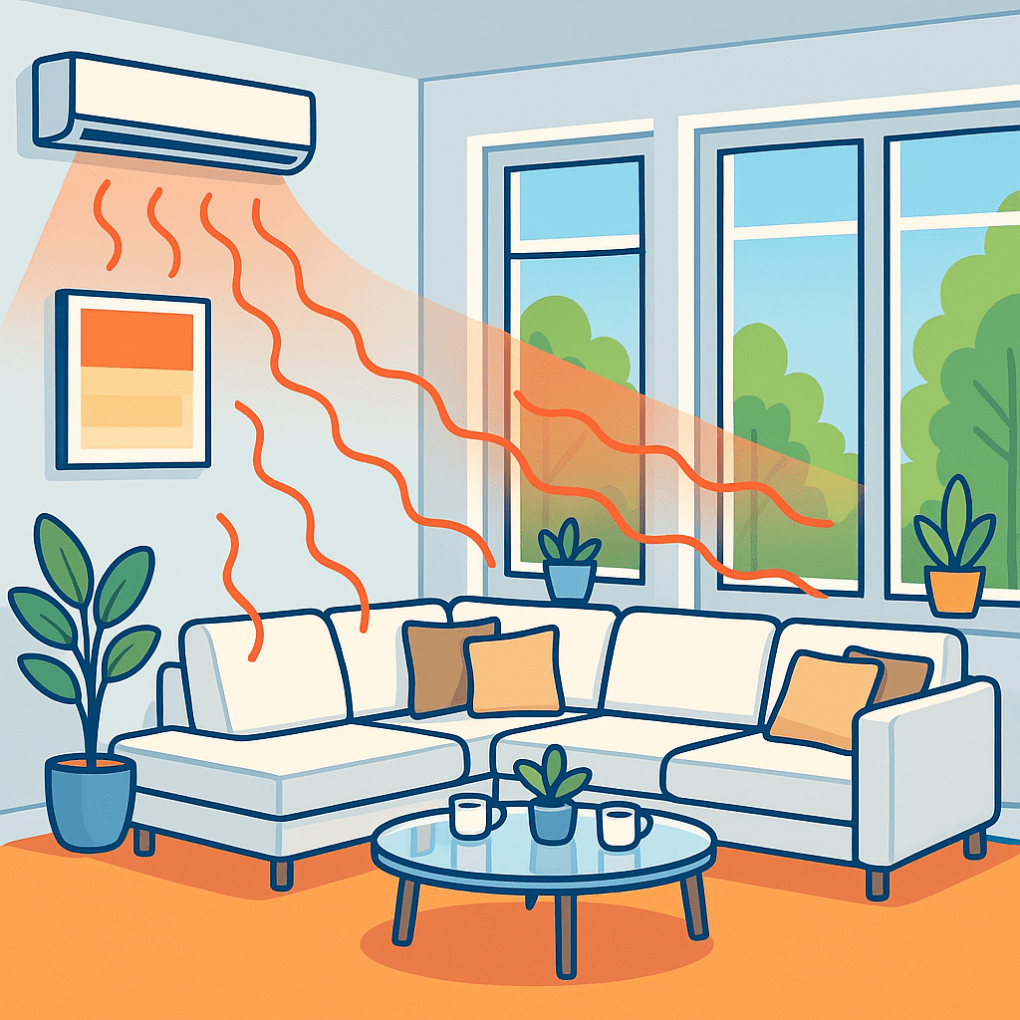
3. Infrared Heating
Infrared heating emits radiant heat, similar to the sun’s rays. Instead of heating the air, it directly warms objects and people in the room.
Ideal for spaces with high ceilings or poor insulation
Efficiency: Infrared heaters can be more energy-efficient than traditional convection heaters, as they reduce heat loss and distribute warmth more evenly.
Benefits:
Provides consistent and comfortable heat
Reduces condensation and mould growth
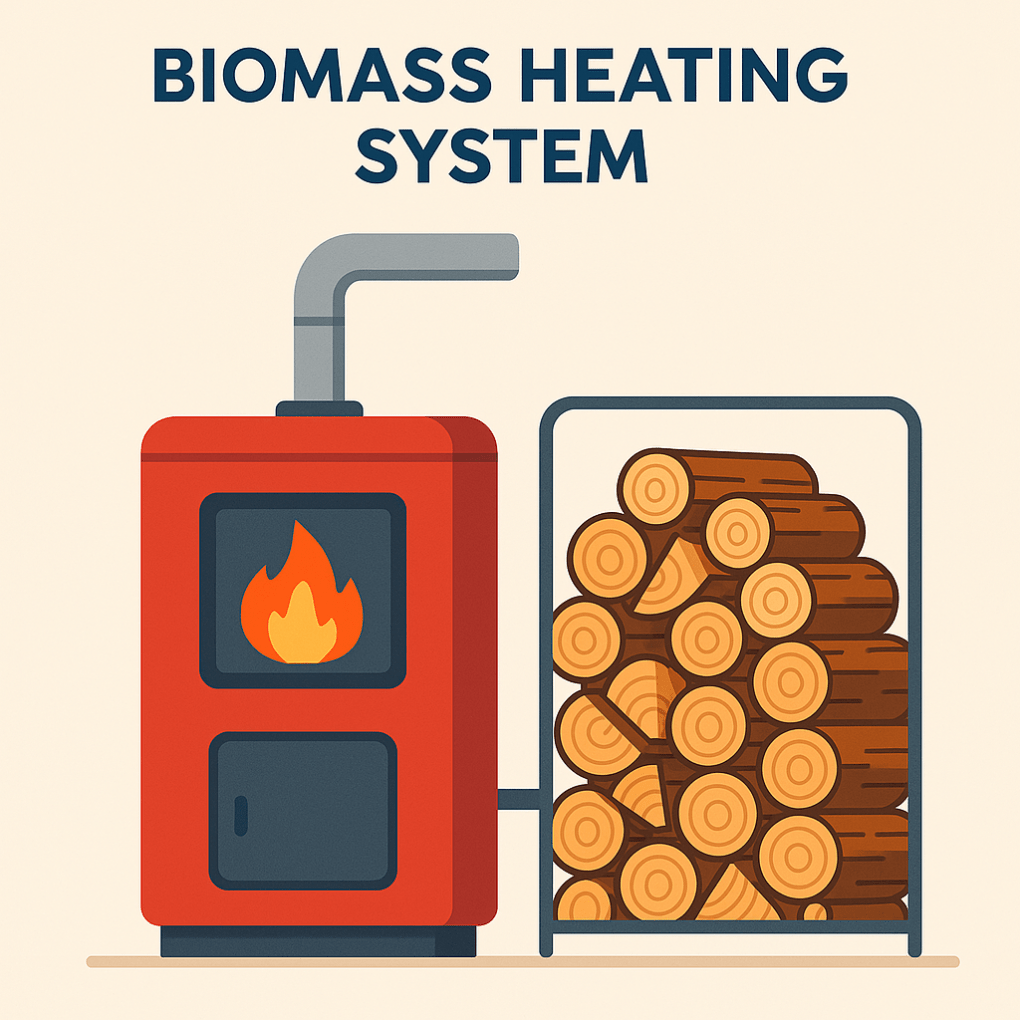
4. Biomass Heating
Biomass systems burn organic materials—such as wood pellets, chips, or logs—to generate heat for space heating and hot water.
Cons: Higher upfront cost compared to conventional systems
Carbon Neutrality: Biomass is considered carbon neutral, as the CO₂ released during combustion is offset by the CO₂ absorbed during the growth of the biomass.
Considerations:
Requires space for the boiler and fuel storage
Energy Management
Smart Controls
Smart technologies can respond to price signals, giving consumers more control over their energy use. These technologies – such as energy storage and smart heating systems -help balance energy supply and demand. This enables greater use of intermittent renewable electricity (like solar and wind) to power homes.
A smart thermostat system and smart TRVs (thermostatic radiator valves) allow for different heating schedules in different rooms. This means you can avoid heating unused spaces and reduce your energy bills. Some systems can be controlled via a smartphone app, learn your behaviour patterns, and detect whether residents are home or away.
Tips for Finding a Reliable Installer
Choosing the right installer is essential. It involves researching, verifying credentials, checking reviews, and comparing quotes. A good installer should have a strong track record, relevant experience, and clear policies.
The Centre for Sustainable Energy offers helpful guidance:
🔗 Solar PV Checklist – Questions to Ask Installers
Always check:
- Track record – how many years have they been in business?
- Ask for references – speak to previous customers if possible
- Get comparable quotes
- Check qualifications and certifications
- Never pay upfront
- Check insurance coverage
Grants Available
- Great British Insulation Scheme – Check if you’re eligible for support
- Boiler Upgrade Scheme – Financial support for low-carbon heating systems
- No VAT on Low Carbon Tech Installations – This includes:
- Air and ground source heat pumps
- Solar PV systems
- Battery storage installations
Useful Links to Local Organisations
- Connecting Communities in Berkshire – Energy Advice and Fuel Poverty
- West Berkshire Green Exchange
- Hungerford Environmental Action Team (HEAT)
- Berkshire Environmental Action Team (BEAT)
- For those currently heating their homes with oil our Oil Club may be of interest.
 Connecting Communities in Berkshire