Our AGM and 21st Century Community Halls Event at Chieveley Village Hall

Welcome and Opening of the AGM

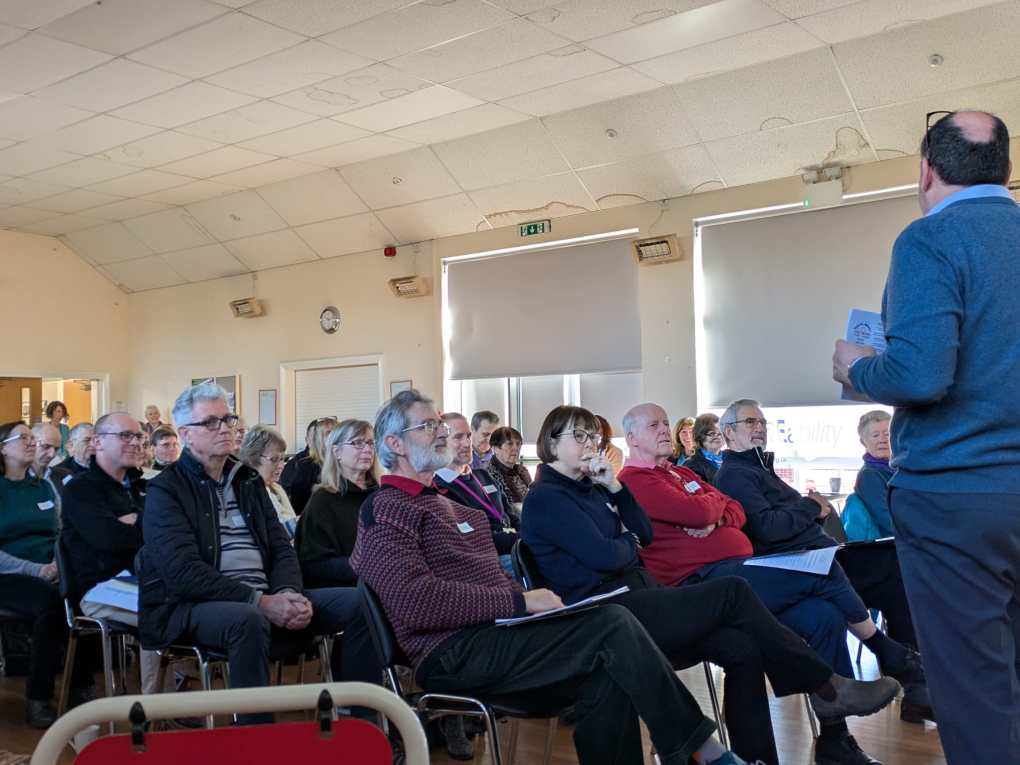
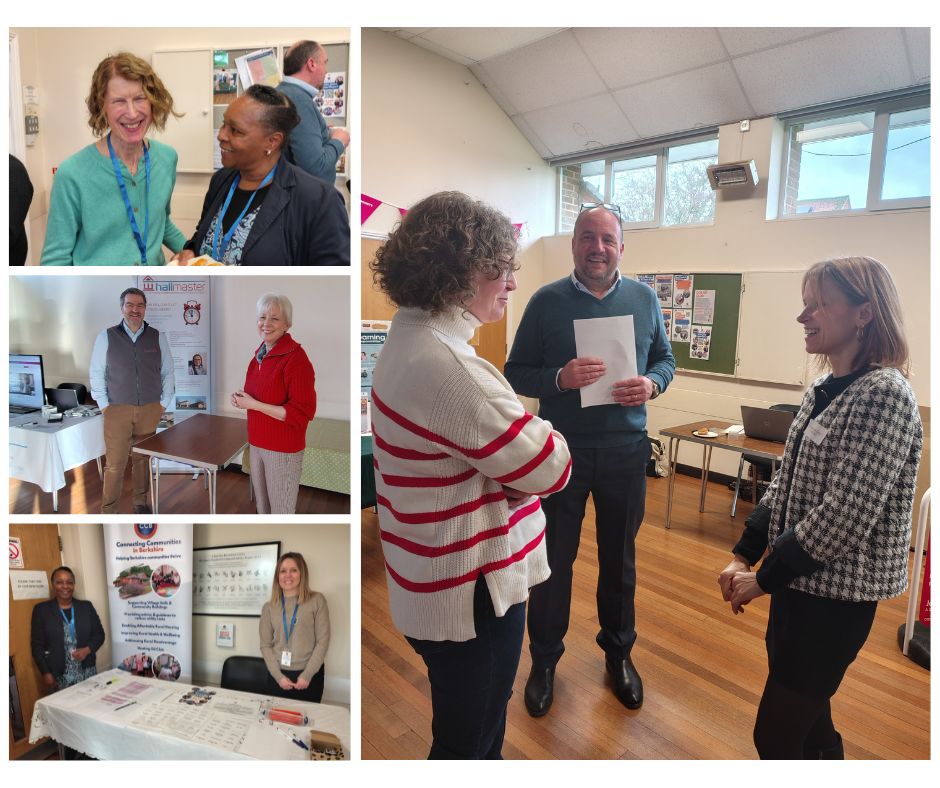
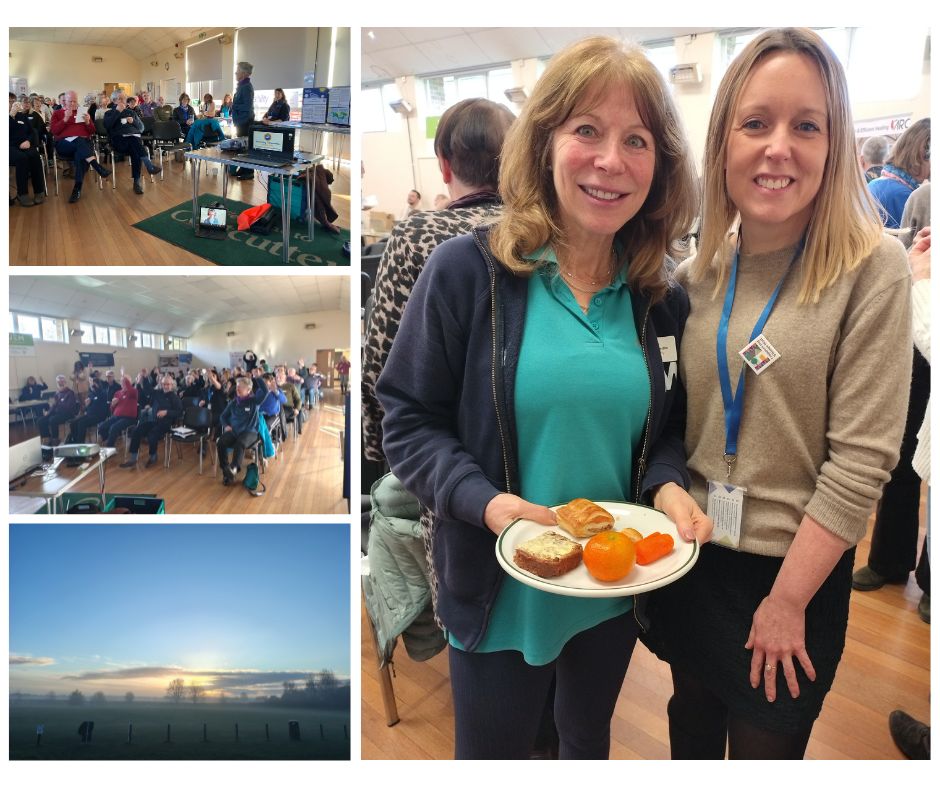
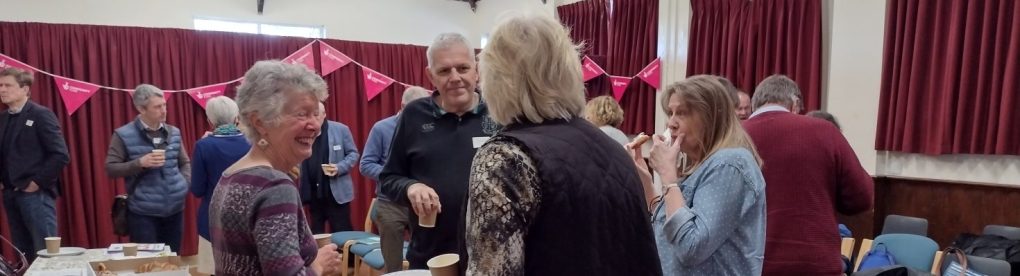
On 28th January 2026, on a bright but bracing winter morning, over 50 guests gathered for our Annual General Meeting and our 21st Century Community Halls case study event at the brilliant community hub that is Chieveley Village Hall. It is a venue we always enjoy visiting and it provided a fantastic backdrop for a day of sharing project updates, catching up with members and friends of CCB, and celebrating the achievements of our 21st Century Community Halls project.

We were joined by a wonderful mix of people. Members came from community buildings and parish councils right across the county, and we were delighted to welcome partners, funders, stakeholders and our Trustees. It felt like a real gathering of the CCB family.

AGM Highlights
Mark Nevitt, our Chair, and Tim Parry, our CEO, opened the morning and guided us through the AGM business. This included officially welcoming three new Trustees to our Board: David Oram, Annie Moon and Alison Taylor. We are very much looking forward to working with them.

We also said goodbye to Sarah Morland, who completed two three-year terms. As Mark reminded us, Sarah had a remarkable rise, joining in March 2020 and becoming Chair within six months. She has contributed an enormous amount to CCB and has been a thoughtful and passionate advocate for Berkshire’s communities. We are incredibly grateful for everything she has done.

With the AGM concluded, Tim gave an overview of our work over the past year, highlighting key projects and achievements.

Rural Housing Enabler Spotlight

Tim then introduced our Rural Housing Enabler, Maria Kelly. Maria talked us through how the Rural Housing Enabling project works, why it requires time and careful consultation, and the kinds of support rural communities can expect. She shared examples of current work in Beenham, Compton and Waltham St Lawrence and explained some of the excellent data tools she uses to map local need and rural housing stock.
Moveability and the Benefits of Seated Exercise

Next, we welcomed Debbie Medlin from Moveability. We have been working with Debbie for several years, helping her secure funding to bring her seated exercise classes to rural communities across West Berkshire, including Chieveley, Hermitage and Lambourn.

Debbie spoke about the benefits of the classes, not only for physical wellbeing but also for reducing isolation and building connections. She finished with an energetic taster session to what must be one of the happiest songs ever recorded, Ob La Di Ob La Da by The Beatles, which certainly lifted the room.

21st Century Community Halls Case Study Training Session

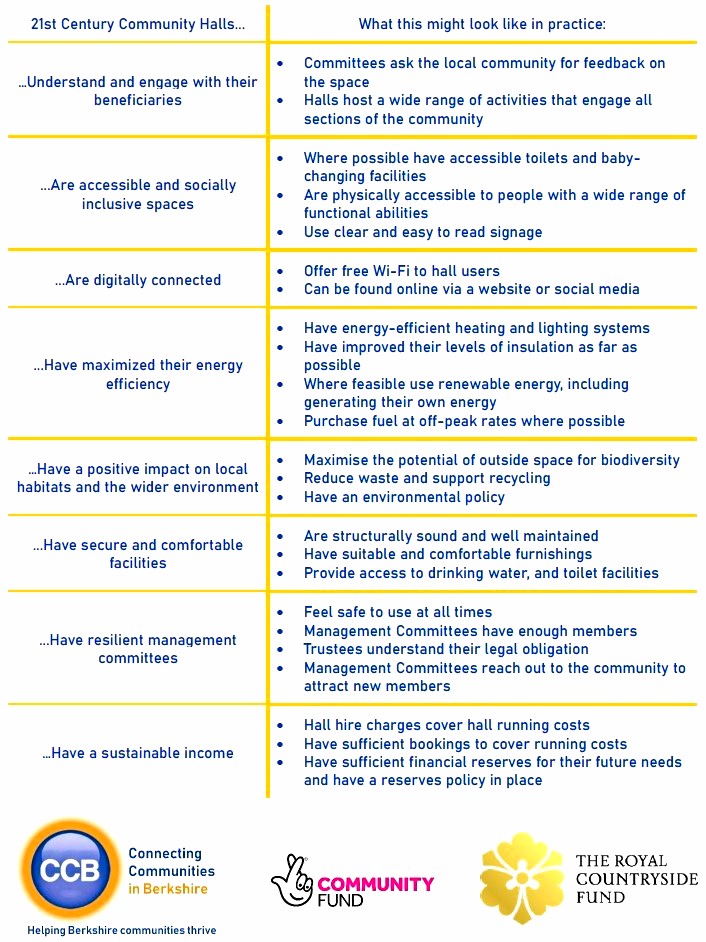
After a break for networking and an excellent brunch, we moved into the 21st Century Community Halls training session led by our Community Building Advisor, Kate Meads. This was a real highlight and included first hand insight from Neal Courtney from Chieveley Village Hall.

Neal talked us through the hall’s development journey and how the Trustees and a dedicated group of volunteers created a development plan, carried out meaningful community engagement and put together a fundraising strategy to support the hall’s long-term ambitions. Hearing their story while sitting in the very building they were describing brought everything to life.

The National Innovation Centre for Rural Enterprise (NICRE) joined us to share how they are supporting CCB to learn from, develop and evaluate the outcomes of the 21st Century Halls Project. Sarah Best presented a new set of Village Hall case studies, featuring Shaw‑cum‑Donnington, Arborfield, Farley Hill and Speen, highlighting the different approaches halls are taking to modernisation and community engagement.

Debbie from Movaebility running a taster seated exercise class

Reflections and Key Takeaways from the Day

Overall, the day left us feeling energised and connected. It was a strong reminder of the value of our work, the commitment of our Trustees and partners, and the creativity of communities and volunteers who find new ways to support local people.

We heard first hand how long-term projects like rural housing need time and collaboration, how small interventions such as seated exercise can spark positive social change, and how village halls can thrive when motivated Trustees, a clear plan and community voices come together. Most importantly, it reinforced why we do what we do: helping Berkshire’s communities thrive by supporting places, projects and relationships that last.

Feedback from Attendees

“The event was just what we needed. It is great to see what others are doing and how CCB is supporting improvement projects.”

“What a great session. We have several community buildings on our patch who would really benefit from membership so they can access support from the 21st Century Community Halls Project. I will be encouraging them to join.”

Final Thoughts from Tim and Kate

Tim said: “I would like to thank all our members and other delegates for supporting CCB at our AGM and conference yesterday. Thank you to Sarah and colleagues from NICRE for sharing their ongoing evaluation of our 21st Century Halls project and to Neal for sharing his team’s inspiring work to improve Chieveley Village Hall. These conferences are a great way of bringing like-minded people together and are a genuine highlight of our year.”

Kate said: “The best part of the day was simply having so many different people in the room together. It was great to have time to chat informally, hear presentations, ask questions and wander around talking to service providers and trustees who have used solar installers, infrared specialists and online booking systems. We also loved hearing from our learning partner, NICRE, about how they are capturing the impact of CCB’s 21st Century Halls Project. It was brilliant for everyone to hear about our other projects too because there is so much crossover. A village might also be linked to our fuel poverty project or our rural housing enabler work, or realise there is a need to run more activities for people who are socially isolated. Having all those conversations in one place made the day feel really exciting.”

What Exactly Are ‘Managing Trustees’?

Committee Members. Trustees. Committee of Management.
They may go by different names, but they all refer to the same role. Regardless of the title, your charity’s governing document will define them as the individuals responsible for running and managing the organisation.


The Essential Trustee: Six Main Duties

Trustees are the people legally responsible for making sure a charity is well-run and delivers on its purposes. The Charity Commission outlines six key duties for Trustees—vital reading for anyone in the role.


Elected, Co-opted, and Representative Trustees

Charities appoint Trustees in different ways, but this must always follow the procedures outlined in the governing document. Common types of appointment include:

  • Elected – Voted in (usually annually) as individuals who are committed to the charity. They may have links to other organisations, but they serve as independent individuals.
  • Co-opted – Some governing documents permit the co-option of Trustees, either to fill a vacancy or to bring in needed expertise. It’s important to follow the rules—does the document allow co-option? What is the process? Do they need to stand for re-election at the next AGM?
  • Representative – Many charities have provisions for appointing a Trustee on behalf of a stakeholder organisation, such as a parish council or a service-user group.

Regardless of how they are appointed, all Trustees:

  • Share equal responsibility and liability
  • Have equal say in decision-making
  • Must act in the charity’s best interests and to further its purposes
  • Should make decisions independently, free from outside influence

This is especially crucial for representative Trustees or those with external affiliations—they are not there to speak for another organisation but to act solely for the good of the charity.


So, What Do Managing Trustees Actually Do?

They carry out the charity’s aims and ensure its purposes are fulfilled. While that sounds simple, it’s easy to stray from the path.

Managing Trustees must:

  • Follow the governing document, which defines the charity’s purpose and what Trustees are authorised to do. If the document is outdated, CCB can provide guidance on updating it.
  • Make and record clear decisions by minuting Trustee meetings and ensuring decisions align with the charity’s objectives.
  • Stay informed about the legal responsibilities of Trusteeship. The Charity Commission’s “The Essential Trustee – What You Need to Know, What You Need to Do” is an important resource. Refresher training is recommended—and CCB offers training and advice.
  • Maintain a quorum—Trustee meetings cannot make decisions unless quorate. Plan ahead to ensure replacements are identified before Trustees step down.

Chairs, Treasurers, and Secretaries

Even if someone holds an officer role like Chair, Treasurer, or Secretary, all Trustees bear collective responsibility. For example, the Treasurer is not solely responsible for financial matters—all Trustees share accountability and should maintain oversight.


Common Issues and FAQs

“I’m on the committee but I’m not a Trustee.”

You might actually be a Trustee without realising it. This is a common misunderstanding. Or, the committee may be allowing non-Trustees to influence decisions—which is incorrect and should be addressed immediately. Trustees can seek expert input (e.g. a surveyor’s report) but must retain decision-making responsibility.

“I volunteer for the charity as well as sit on the committee.”

That’s absolutely fine and very common. Just make sure your roles are clearly defined, and that you’re always aware of when you’re acting as a Trustee versus a volunteer. Your experience as a volunteer can inform your decisions—but shouldn’t bias them.

“I’m paid to clean the building and I’m also a Trustee.”

This is more problematic.

  • Your governing document may prohibit Trustees from receiving payment or financial benefit.
  • Even if not explicitly forbidden, it is not good practice. Permission from the Charity Commission should be sought.
  • The Trustees must consider: is there a compelling reason to appoint a Trustee over an external person with no conflict of interest?
  • If you operate a cleaning business and are offering a service (not direct employment), the Trustees must follow a robust procurement process—assessing quotes, declaring conflicts, and ensuring you and your relatives do not participate in the decision.

In all cases, a clear conflict of interest policy is essential.


Final Thought

Trustees must act collectively and in the charity’s best interest at all times. Decisions are made by majority vote, and once made, must be upheld by all—even if you originally disagreed.


21st Century Community Halls Project Update

As we enter the third year of the 21st Century Community Halls Project, we are pleased to share the progress we’ve made. It’s been a busy and productive period, and we are excited about the work ahead.

Consultations and Reports
We’ve completed consultations and reports with several halls, including Hampstead Norreys, Leckhampstead, Holyport, and Hampstead Marshall, bringing the total number of consultations to 55. If your hall would benefit from a consultation or follow-up meeting, please don’t hesitate to get in touch with David.Jennings@ccberks.org.uk

New Partnership with NICRE
We’ve partnered with the National Innovation Centre for Rural Enterprise (NICRE) to enhance the project. We’re currently in the setup phase, working on an impact measurement framework, establishing ways of working, and planning for wider stakeholder engagement.

Training and Support for Halls
We continue to offer training sessions tailored to support halls in developing and executing action plans. After attending training in 2024, many halls are now working on their business plans to ensure long-term sustainability, apply for grants, and maintain a vibrant future.

What to Expect from a Consultation
Each consultation involves a detailed visit to your hall, during which we review over 120 questions across seven key areas:

  • The Building and the Organisation
  • Sustainability
  • Environment
  • The Fabric of the Building
  • Energy
  • Accessibility

Following the review, we provide a comprehensive report and a pack of supporting materials for your hall’s management team. After considering the findings, we ask trustees to draw up an action plan focused on the key areas to address. The CCB team is here to assist with advice and guidance to help turn these plans into successful projects.

If your hall hasn’t yet had a consultation, please reach out to schedule one. Thanks to the generous support of The National Lottery Community Fund, this service is FREE.

We look forward to supporting your hall’s journey towards a brighter future!


21st Century Community Halls: End of Year 2 of this five year project

The 21st Century Community Halls project has made significant progress, conducting initial consultations with halls and increasingly focusing on follow-up reviews. With the recent addition of a new Project Development Officer, David, the project has gained momentum and has introduced initiatives to address common themes shared by many halls.

The Initial Consultation: We have completed 13 further 21st Century Community Hall initial reviews during this period. Each review is completed during a visit to the facility with additional information provided before and after. The review includes over 120 questions divided into 7 parts:

  • The Building and the Organisation
  • Sustainability
  • Environment
  • The Fabric of the Building
  • Energy
  • Accessibility
  • After the consultation a comprehensive report is prepared for the Hall’s management team
    with a pack of suitable supporting information. After considering the contents, comments, and actions, we ask Trustees to draw up an action plan for the key issues they want to address. CCB then assist with advice for the resulting actions and projects that these form into.

The Follow-Up Reviews: CCB seeks a follow-up with the management committee approximately every 6 months via a call, or a visit depending on the needs of the
committee and on the activity and challenges. To date we have completed 22 formal follow-up reviews of halls we have consulted with.

Learning Partner Selection: We have now selected a Learning Partner to help us evaluate the project, and will begin working with them in January 2025.


One-to-One Support: During this period, in-depth one-to-one support has been given to halls for their development actions:

  • Providing best practices and examples for Business Planning to 15 Trustees from 14 different Village Halls in Berkshire.
  • Writing, reviewing and successfully obtaining funding from The Platinum Jubilee Fund.
  • Developing Fundraising plans with three separate committees and delivering Fundraising training around ‘evidencing need’ to 8 trustees from 6 different Village
    Halls.
  • Designing, conducting and analysing Community Consultations with three separate committees.
  • Risk review and support with one new member.
  • Supporting a member hall in updating its governing document.
  • Supporting a Village Hall to review plans for a complete rebuild in favour of a major refurbishment (due to financial restrictions and community feedback)
  • Renegotiation of a lease for one Community Hall.

    If you would like your hall to participate in the 21st Century Village Halls project, please email me. kate.meads@ccberks.org.uk and we can arrange a time for a consultation.

21st Century Community Halls Conference

We had a wonderful day last month at our Annual General Meeting & 21st Century Community Halls conference.

It was a pleasure to welcome individuals involved with running Berkshire’s village halls and community buildings from across the county.

On Thursday 25th January 2024 we kicked the day off at Beech Hill Memorial Hall with our 2024 Annual General Meeting. Our CEO Tim gave a brief presentation of our highlights in 2023 and was excited to share the news that we have just secured funding from DEFRA to revitalize our Rural Housing Enabler project. Currently funded until March 2025 look out for more news on this to follow shortly!

Our Chair Sarah Morland stepped down from Chairing our charity for the last three years, though is staying on as a Trustee, and we welcomed current Trustee Mark Nevitt to the role of Chair.

After a brief interval for coffee and pastries, we reconvened to hear more from our newest team member Maria, Project Development Officer, who led a fantastic open spaces discussion on the 21st Century Community Halls and discussed hopes, dreams, and challenges for the next 100 years for our halls.

Once a refuel for lunch had taken place our Community Buildings Advisor Kate introduced speakers from Jem Energy, ARC Thermal Products, and Wokingham Borough Council to talk about solutions for ensuring a low-cost and low-carbon future for our community buildings.

Learners said, “I really enjoyed the informal discussion groups and networking opportunities to share best practices.”

“Lots of variety, great opportunity to speak to others facing similar challenges, and loved the networking.”

Thank you to the speakers who contributed to a raffle we ran along with Bridge Interiors and Sound Reduction Systems. The raffle was won by ….

Thank you also to Adult Community Learning West Berkshire Council and the National Lottery Community Fund for supporting the day.