
by Maria Kelly, Rural Housing Enabler
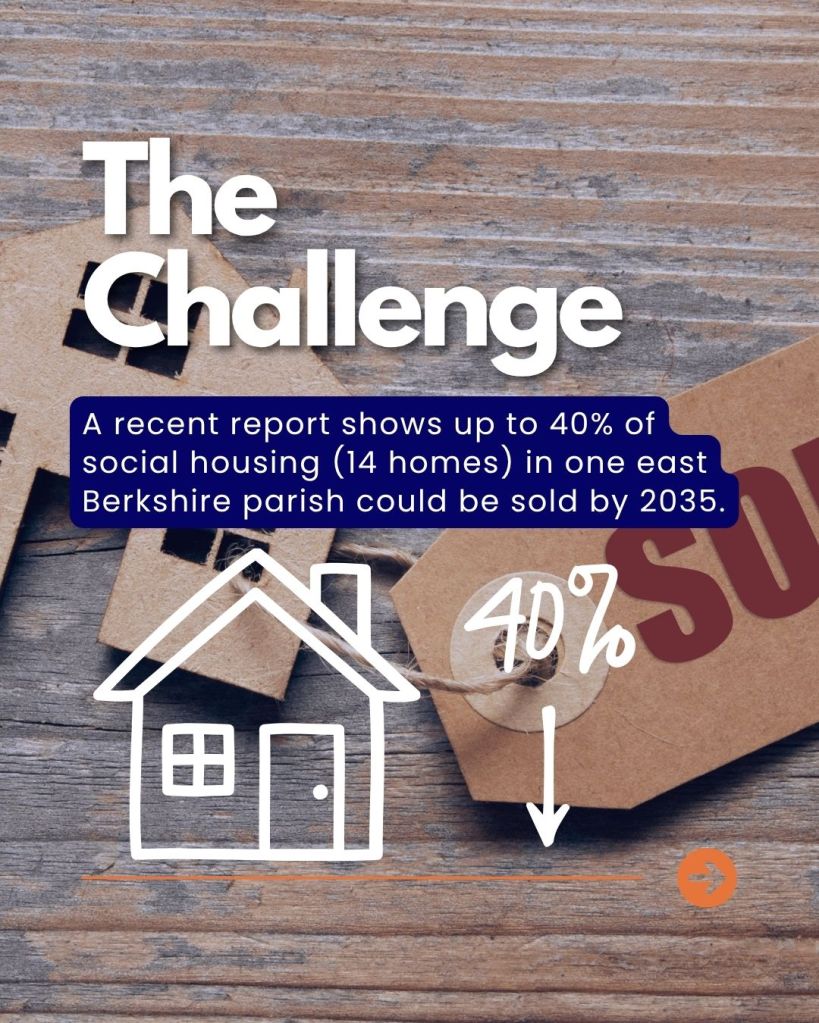
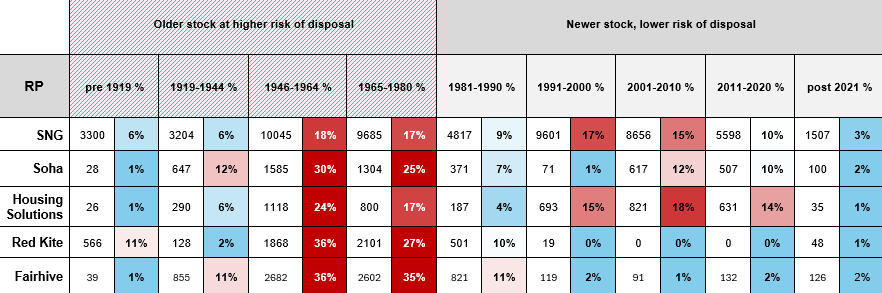
A recent report on the social housing stock in an east Berkshire parish concluded that factors including the age of stock, along with regulatory and financial pressures, could lead the Registered Provider (RP) to dispose of up to 40% of its current homes in the parish by 2035. That amounts to 14 homes.
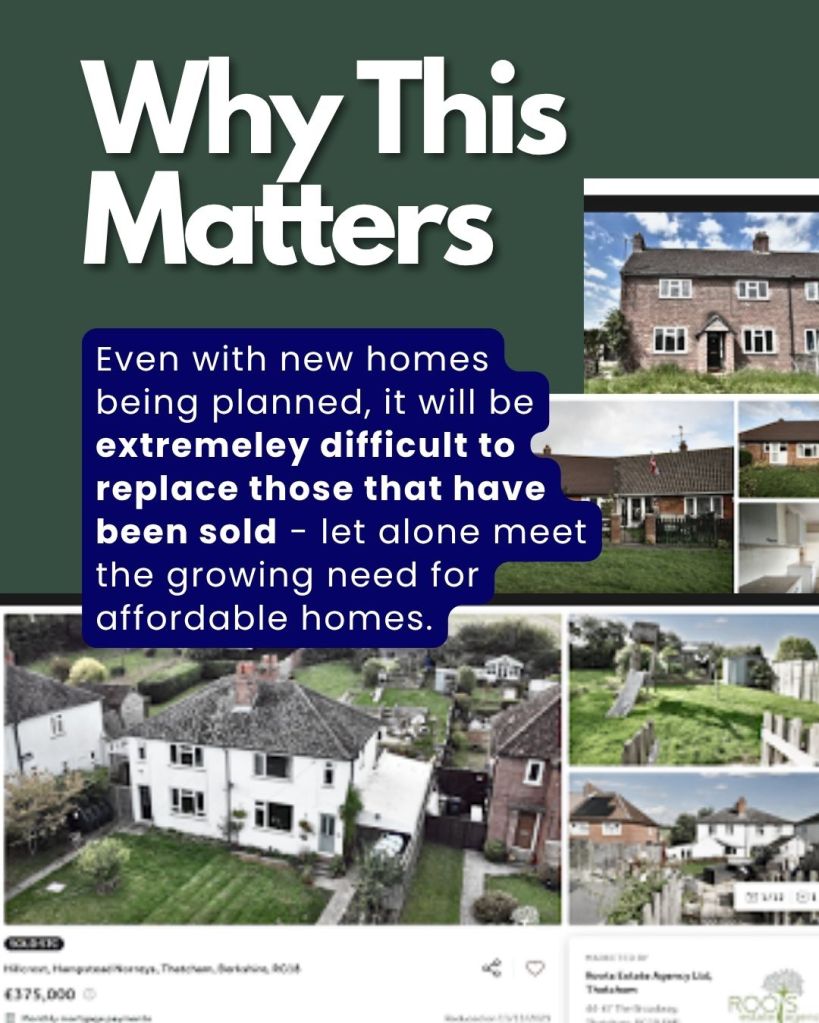
This particular RP is actively engaged in seeking sites for new affordable homes in the parish and working closely with our Rural Housing Enabler. Despite this, it will be a huge challenge to build enough new homes to replace those lost, let alone to meet the increasing need for affordable housing in the parish.
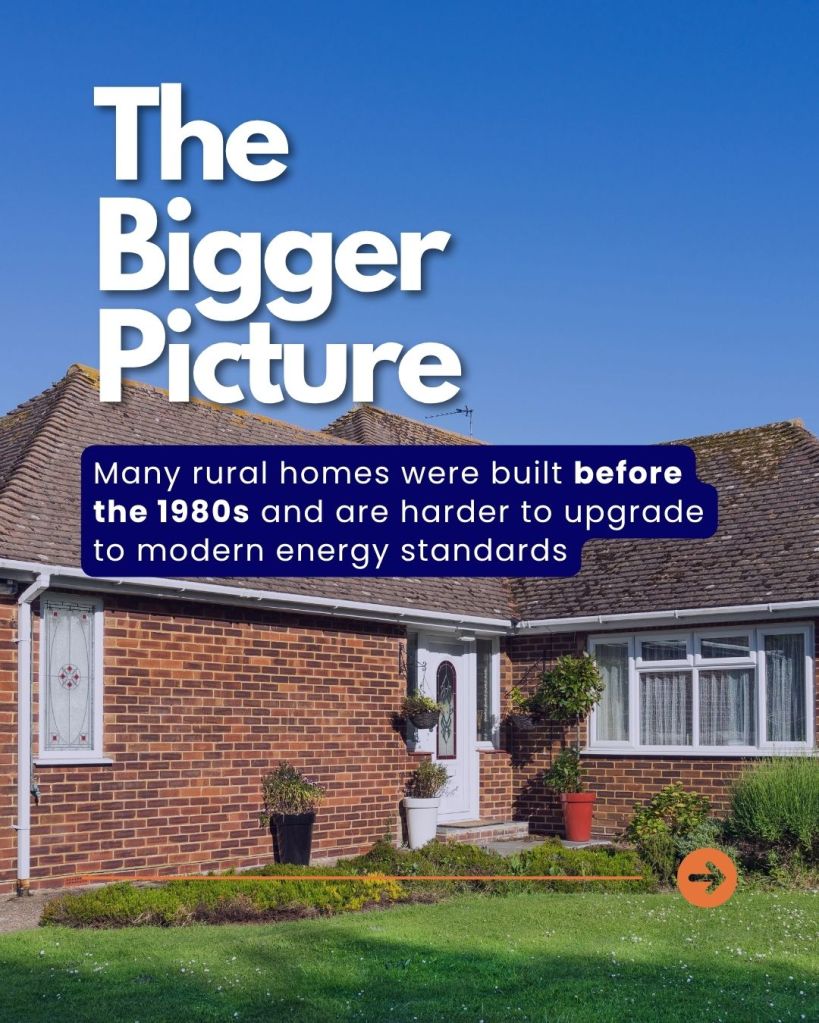
CCB recognises that housing associations managing large numbers of older properties, particularly those built before the 1980s, face challenges in making them more comfortable and affordable to live in (warmer and more energy efficient). In rural areas, however, we strongly believe that simply selling older stock on the open market once it becomes vacant is not the answer.
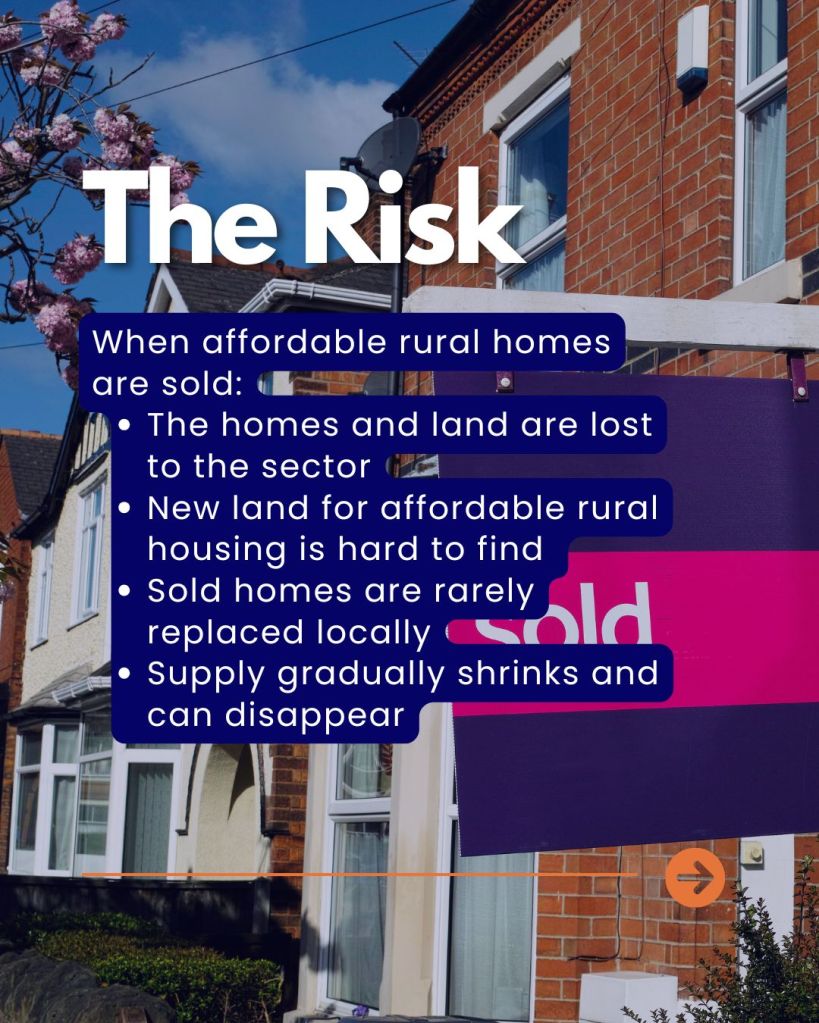
Once a socially rented home is sold to a private buyer, the land is effectively lost to the sector. In rural areas, it is extremely difficult to find land for new affordable housing in the same community. There are many reasons for this, but the result is that as these homes are sold off, the supply of affordable housing dwindles—sometimes to just one remaining property, and eventually none at all. This trend has serious consequences for rural communities.
So what can be done?
One potential solution is for RPs to regenerate their rural sites, rather than relying solely on retrofitting (e.g. adding insulation or heat pumps) or disposal. New provision within the Homes England Social and Affordable Homes Programme (SAHP) offers increased grant funding for housing providers who need to demolish older homes and replace them, on the same site, with new, higher-quality homes.
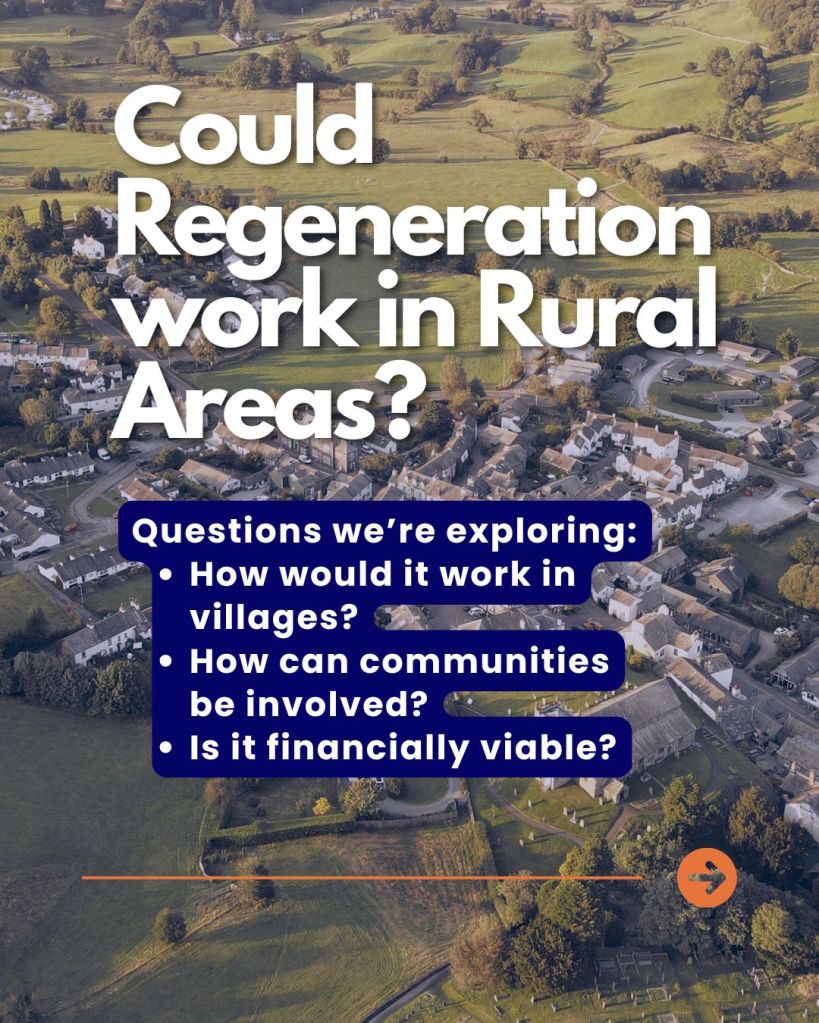
Regeneration is often associated with urban areas, but what might it look like in a rural setting where affordable homes are dispersed across a village and interspersed with privately owned and rented properties? How would communities be involved? And could registered providers afford to do it?
We cannot answer these questions alone, so we want to work with Altair Social Housing Consultants to explore whether rural regeneration is a viable option in our region. There is a cost to this work, and we need to raise at least £5,000 – ideally more – in order to undertake it.
We are grateful that one of our Rural Thames Valley partners, SOHA, has already agreed to contribute £1,250. Other local organisations involved in affordable housing are also considering whether they can support this piece of work.
This project will give us a much clearer understanding of what rural regeneration might look like in practice, including the costs, practicalities and potential benefits.
If you would like to find out more about this, or anything else relating to rural housing in Berkshire, please contact Maria.Kelly@ccberks.org.uk.