

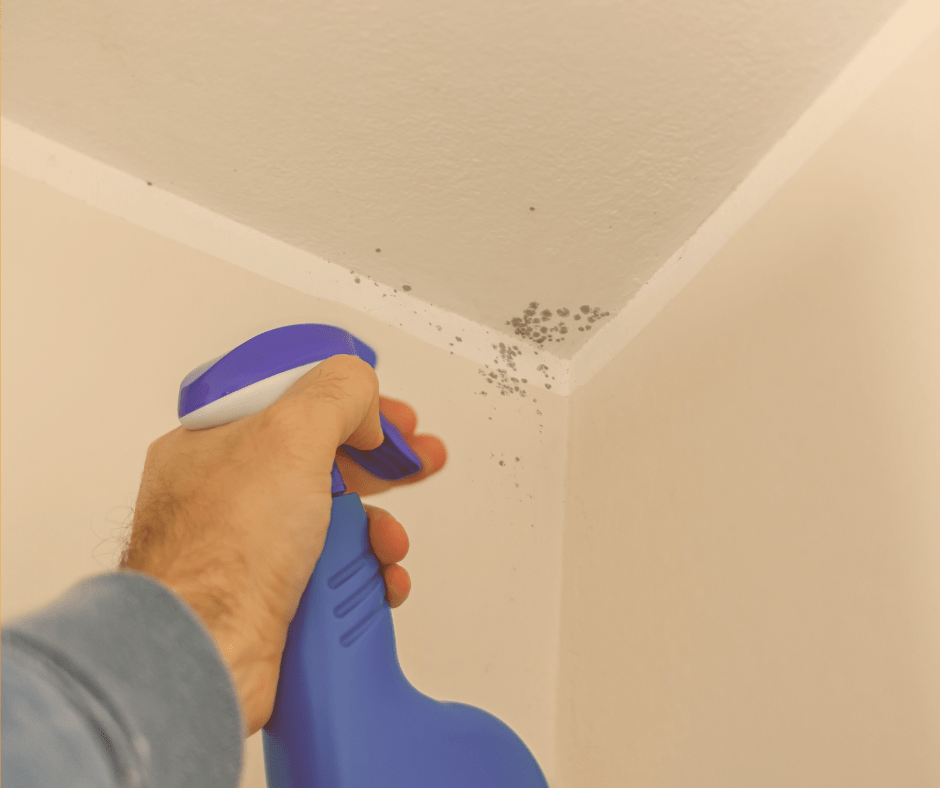
Damp and mould can be caused by structural, design or disrepair problems although there may be things that those of us living in homes affected can do to lessen or reduce the issue.
What is mould and damp?
Mould is a fungus that grows in areas where damp air condenses on cold surfaces. Damp is when an area of the property doesn’t seem to dry out, usually because it’s cold – it can be caused by structural issues like bad insulation or a leaking roof.
What can you do to limit damp and mould problems?
- Keep the property reasonably warm, if possible
- Open windows to let steam out after showering/bath or cooking.
- Keep bathroom doors/kitchen doors closed when bathing/cooking.
- Only dry clothes on radiators if you have adequate ventilation like an open window nearby.
- Leave windows/vents open when drying washing indoors.
- Check trickle vents are open and not blocked.
- Repair and check extractor/ventilation fans
- Pull wardrobes and furniture away from the walls and keep tops of wardrobes clear to allow to circulate.
- If possible, use a dehumidifier if problems persist, these extract moisture from the air. Electric dehumidifiers can be very effective when drying washing indoors, and cheap to run (but you do have the cost of purchase to consider).
- Wipe down surfaces affected by condensation regularly to prevent mould growth.
- If you do see mould on your walls or ceiling clean it off – one effective, way is to clean off the mould with a spray containing bleach, this can be followed by an anti-fungal wash (be sure to follow the manufacturer’s instructions and consider wearing a face mask)
If you are looking for tips on how to save money on your energy bills click here.
Sources; centre for sustainable energy, citizens advice
 Connecting Communities in Berkshire