Village Halls Week; Spotlight on Thatcham Parish Hall

Thatcham Parish Hall – Berkshire

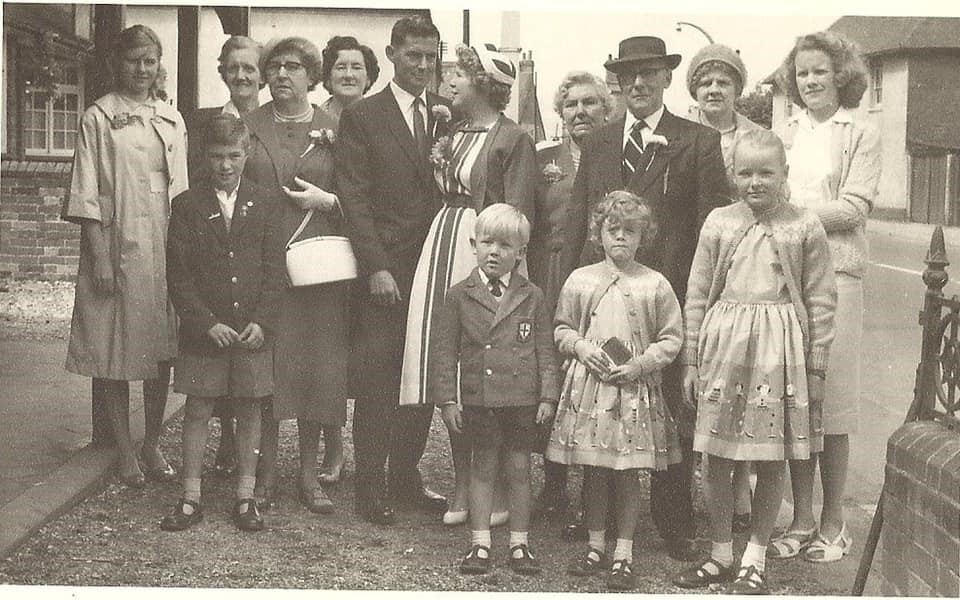
The idea of a village hall was instigated in 1903 by Miss A.L Henry, third daughter of John Henry of Colthrop Mill, and plans were made to erect a venue to accommodate 200 people at concerts and other entertainments. Within a few years some £350 had been raised. The Parish Hall was built by Mr. W. Child of Thatcham and was opened on 10th April 1907 by Mrs Benyon, wife of the Lord Lieutenant of Berkshire. The Parish Hall was built in 1907 for the people of Thatcham and has been in regular use ever since by many groups for meetings, entertainment, parties and sports.

In 2019, the Parish Hall faced the prospect of closure as long standing Trustees needed to retire and new Trustees proved difficult to find. Financial pressures also increased with the loss of the local pre-school who were a regular hirer of the hall. The CCB’S Community Buildings Advisor was called in to support the Trustees. Suggestions were made about developing an online presence and promoting the hall using banners overlooking the local supermarket Car park. The Parish Hall held an open public meeting to discuss the option to close the charity and sell the building. This revived local interest in the precious community asset and local people came forward to help support the promotion and running of the Hall. The Parish Hall still serves the community today!

HIRE RATES FOR CASUAL HIRE (discounts available for regular hires)
Library (including Kitchen) £8.00 p/hr
Hall (including Kitchen) £15.00 p/hr
All Rooms £20.00 p/hr

Booking contact

Tel;      07342 274526                                    

Email;   epanting2006@yahoo.co.uk                                       

Facebook; Friends of Thatcham Parish Hall


Big Energy Saving Week 2020

It’s Big Energy Saving Week starts on Monday 20 January 2020. It’s an opportunity for organisations like CCB to give local people skills and knowledge to save money and find further help and advice on their energy bills and usage.

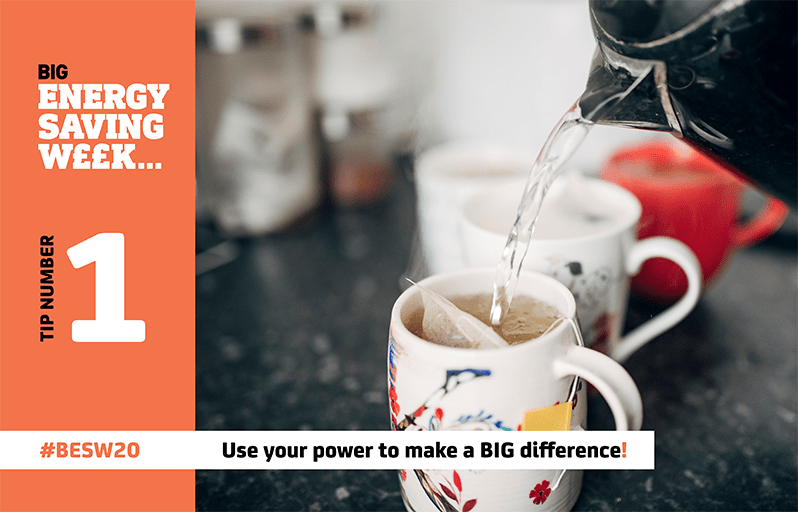
Tip 1 of the week is:

You could save around £36 a year by
✔ using a bowl when washing-up
✔ cutting your washing machine use by one cycle a week
Big Energy Saving Week 2020 6
✔only filling the kettle with the water you need
Learn more about how to use your power to make a BIG difference here: BESW20 bit.ly/2EoXzBL

On Wednesday 22nd Janaury our Energy Expert Helen Dean will be the Lambourn parent and toddler group at the Royal British Legion from 9am to 11am, run by Hungerford Children’s Centre. There’s also a health visitor clinic and baby weigh-in happening at the same time so if you’re going to be there do stop and have a chat with Helen and see how she can help you save money oin Big Energy Saving Week #BESW20


Recruitment: Development Officer at the Five a Day project

Five a Day Market are recruiting a Development Officer to manage the Five a Day project 

Five A Day Market Garden is a not for profit community gardening project.  The project runs from a two acre garden, which is situated in the beautiful and tranquil hamlet of Englefield, approximately seven miles west of Reading, Berkshire.

This is an exciting opportunity to work with volunteers, enjoy the fruits and vegetables of the Five a Day garden, and develop new ideas to help more people of all ages discover and enjoy Five a Day. Download the  Development Officer JD and apply before 27th January 2020.


CCB is now on Easyfundraising – feel good shopping

Did you know that whenever you buy anything online – from your weekly shop to your annual holiday – you could be raising free donations for Connecting Communities in Berkshire with easyfundraising?

There are over 4,000 shops and sites on board ready to make a donation – including eBay, Argos, John Lewis, ASOS, Booking.com and M&S – and it won’t cost you a penny extra to help us raise funds.

All you need to do is:

  1. Go to https://www.easyfundraising.org.uk/causes/connectingcommunitiesinberkshire/?utm_campaign=raise-more and join for free.
  2. Every time you shop online, go to easyfundraising first to find the site you want and start shopping.
  3. After you’ve checked out, the retailer will make a donation to Connecting Communities in Berkshire at no extra cost to you whatsoever!

There are no catches or hidden charges and Connecting Communities in Berkshire will be really grateful for your donations.

Thank you for your support.


7 top home improvements to warm up your home

Gary Hartley is Energy Saving Trust’s expert blogger. He has extensive experience researching and writing on a number of topics, with particular expertise in sustainable energy, policy, literature and sport. As well as providing regular blog content, Gary has also been published in numerous magazines and journals.

We recommend getting at least three quotes from different reputable installers before carrying out any improvements.

1. Draught proof your home

Energy Saving Trust research has found that 46% of people still need to draught-proof their windows and doors.

Cost: A good DIY draught-proofing job could costs between £85 and £275 for materials and professional installation for your whole house.

Saving: Draught-proofing windows and doors can make your home a more comfortable place to live and could save you £20 a year on heating bills.

2. Insulate your pipes

Insulating your hot water pipes is a quick and easy way to save energy. As well as reducing heat loss from your system, pipe lagging will also prevent pipes from getting too cold in winter, and therefore prevents pipes bursting.

Pipe insulation is an easy DIY install – you can buy foam insulation tubes online or from a DIY store and slip them over your pipes. In a typical 3-bed semi-detached house, materials will cost around £20, and you will save around £3 a year on your energy bills, as well as reducing the possibility of expensive repair bills from burst pipes.

3. Upgrade heating controls

Room thermostats allow households to set and maintain the temperature at home. A programmer sets the heating to turn on and off at certain times of the day to suit your lifestyle. Thermostatic radiator valves (TRVs) let householders control the temperature of each radiator.

Cost: Costs can vary significantly due to the variety of heating systems types and sizes and controls available. We recommended comparing quotes from professional installers.

Saving: Installing and using a full set of heating controls means that you can be warm exactly when and where you want in your home. You could also save around £80 a year if you currently don’t have any of these heating controls.

4. Get a new boiler

Modern boilers are more efficient than older models. If your boiler is more than 10 years old it will be far less efficient than a newer model, consider replacing it with a more efficient condensing boiler.

Costs and savings vary depending on your current boiler’s efficiency, fuel type and your house type but fuel bill savings can be significant.

5. Top-up your hot water cylinder insulation

Nearly all UK hot water cylinders have some insulation, however those with a hot water tank jacket under 25mm thick could benefit from top-up insulation.

Cost: A hot water cylinder jacket costs around £16.

Saving: Topping up your hot water cylinder insulation from 25mm to a 80mm jacket could save around £20 a year.

6. Top-up your loft insulation

The majority of homes have some loft insulation but many don’t have enough. The recommended depth is 270mm.

Cost: Topping up your loft insulation from 120mm to 270mm could cost around £240.

Saving: Topping up your loft insulation from 120mm to 270mm will help stop warmth escaping through the roof and could save around £12 a year.

7. Insulate your walls

Although wall insulation is a bigger investment, and costs vary, it can keep your home warm and cosy and result in a large saving.

Most homes built after 1920 have cavity walls. If your home’s cavity walls are uninsulated, adding cavity wall insulation could save up to £150 a year off your energy bills (based on a typical 3-bedroom semi-detached house).

Most homes built before 1920 have solid walls. Solid wall insulation can save around £260 a year off your energy bills (based on a typical 3-bedroom semi-detached house).

More on this…