
Retaining Rural Affordable Homes: Exploring a Regeneration Approach

by Maria Kelly, Rural Housing Enabler

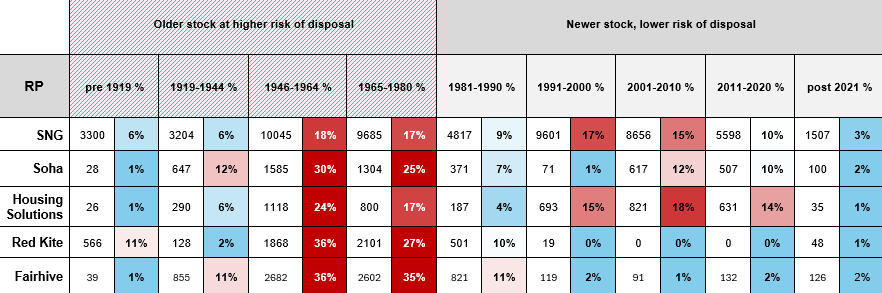
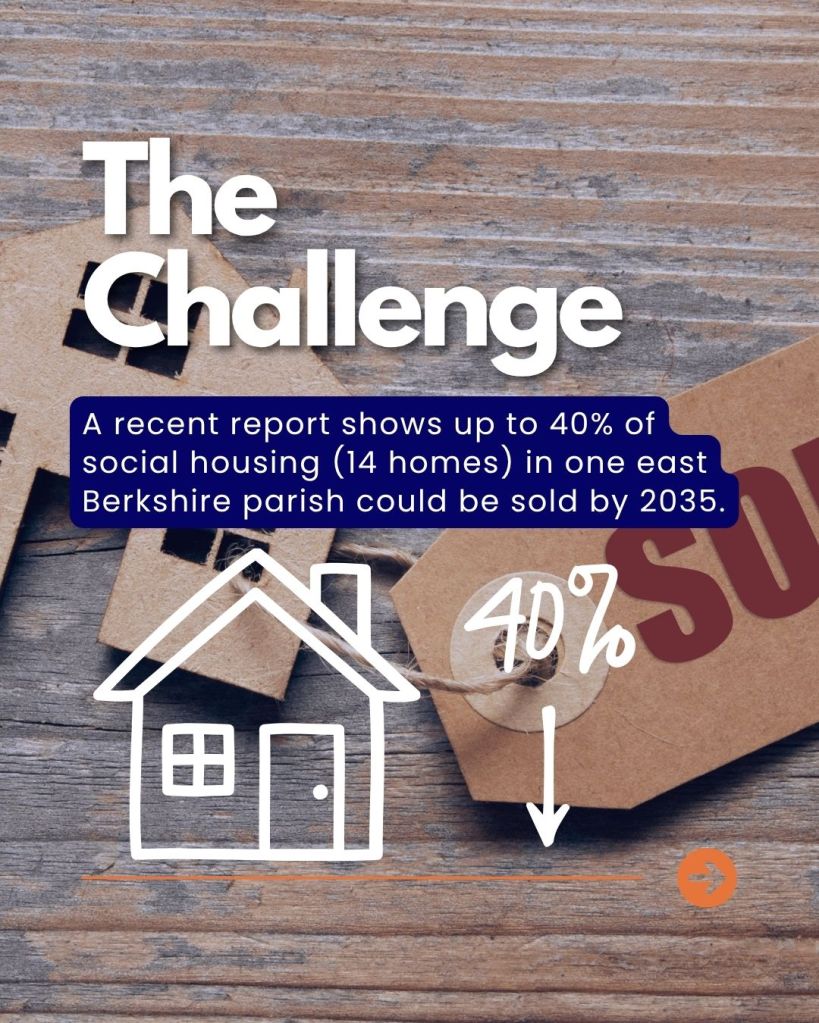
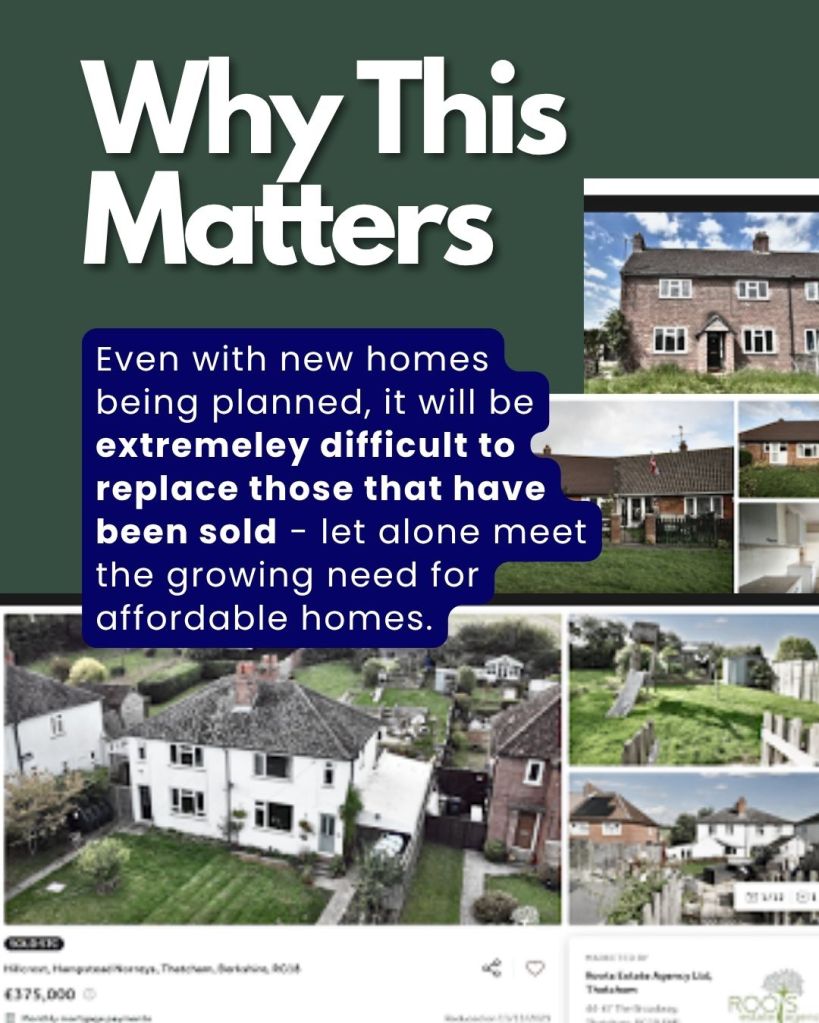
A recent report on the social housing stock in an east Berkshire parish concluded that factors including the age of stock, along with regulatory and financial pressures, could lead the Registered Provider (RP) to dispose of up to 40% of its current homes in the parish by 2035. That amounts to 14 homes.

This particular RP is actively engaged in seeking sites for new affordable homes in the parish and working closely with our Rural Housing Enabler. Despite this, it will be a huge challenge to build enough new homes to replace those lost, let alone to meet the increasing need for affordable housing in the parish.

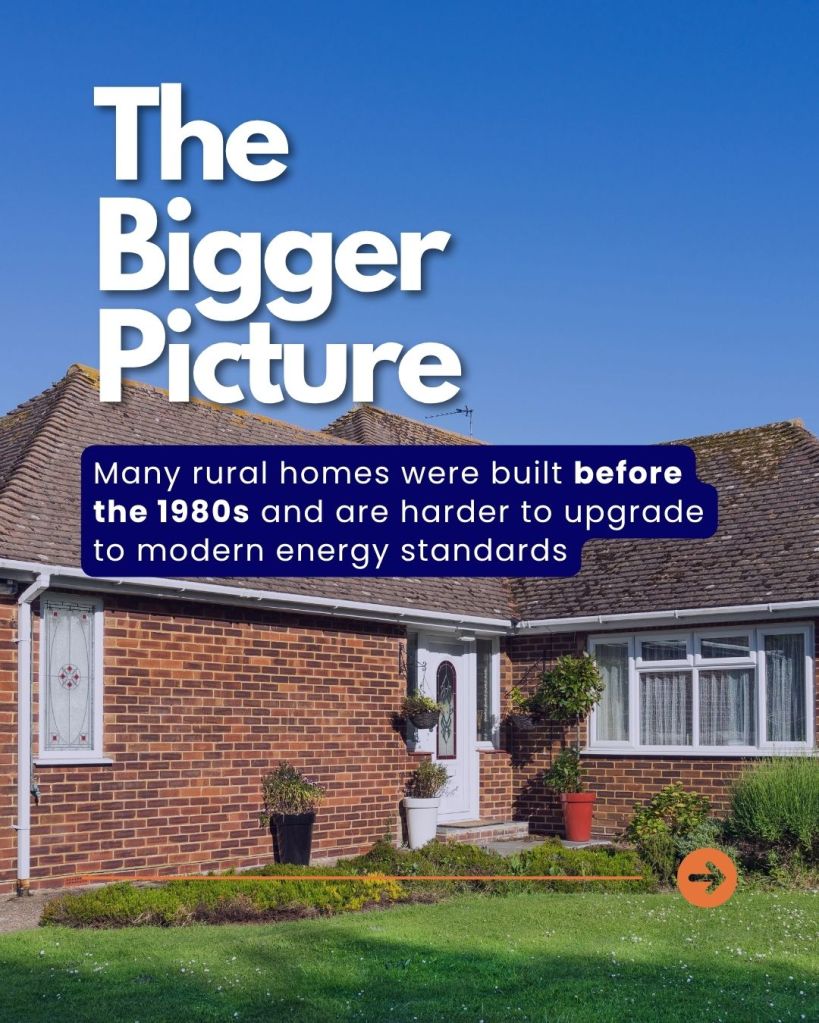
CCB recognises that housing associations managing large numbers of older properties, particularly those built before the 1980s, face challenges in making them more comfortable and affordable to live in (warmer and more energy efficient). In rural areas, however, we strongly believe that simply selling older stock on the open market once it becomes vacant is not the answer.

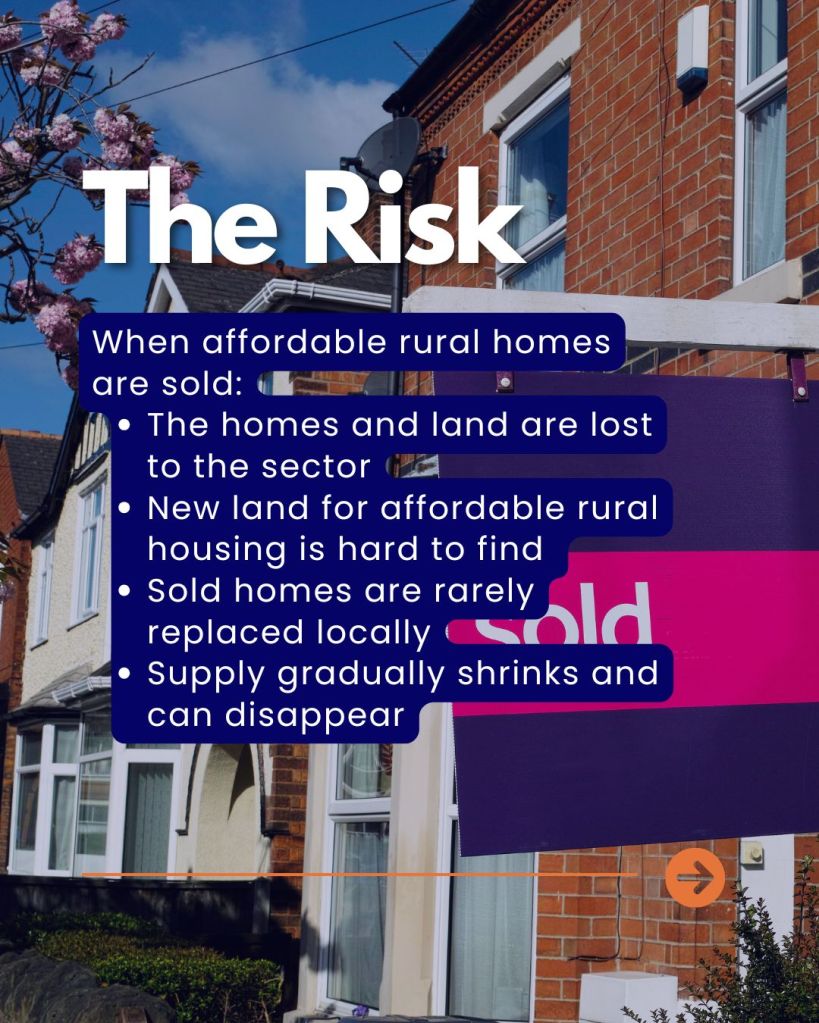
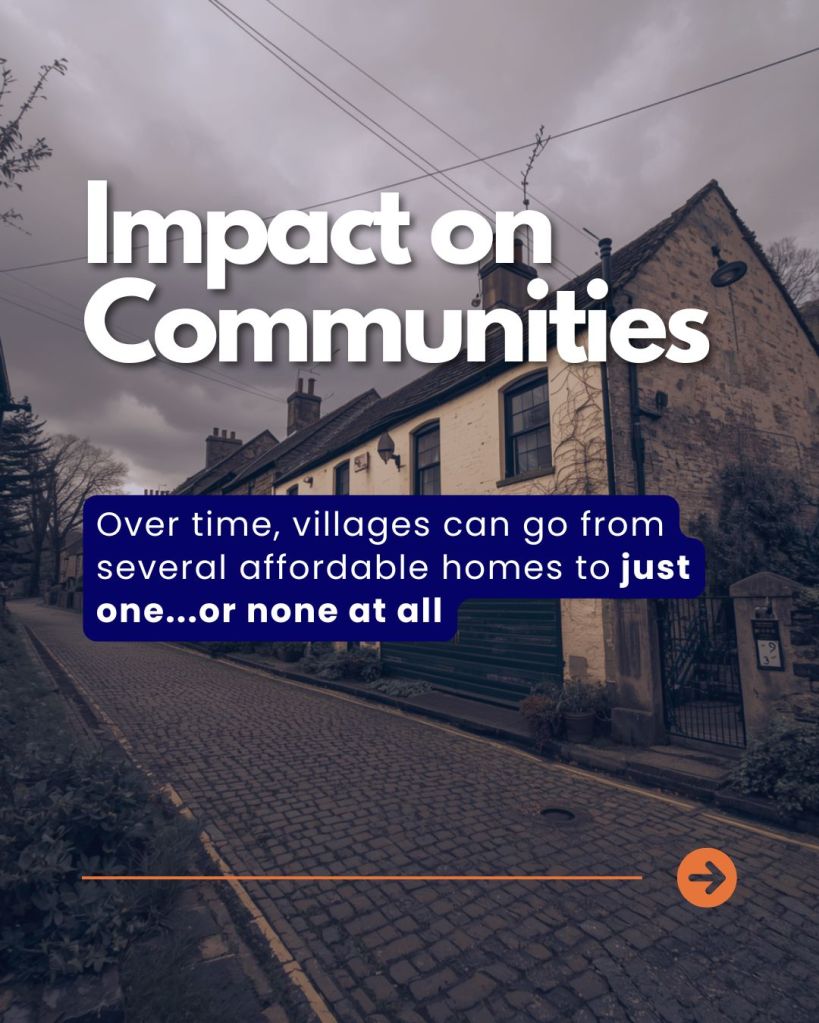
Once a socially rented home is sold to a private buyer, the land is effectively lost to the sector. In rural areas, it is extremely difficult to find land for new affordable housing in the same community. There are many reasons for this, but the result is that as these homes are sold off, the supply of affordable housing dwindles—sometimes to just one remaining property, and eventually none at all. This trend has serious consequences for rural communities.

So what can be done?

One potential solution is for RPs to regenerate their rural sites, rather than relying solely on retrofitting (e.g. adding insulation or heat pumps) or disposal. New provision within the Homes England Social and Affordable Homes Programme (SAHP) offers increased grant funding for housing providers who need to demolish older homes and replace them, on the same site, with new, higher-quality homes.

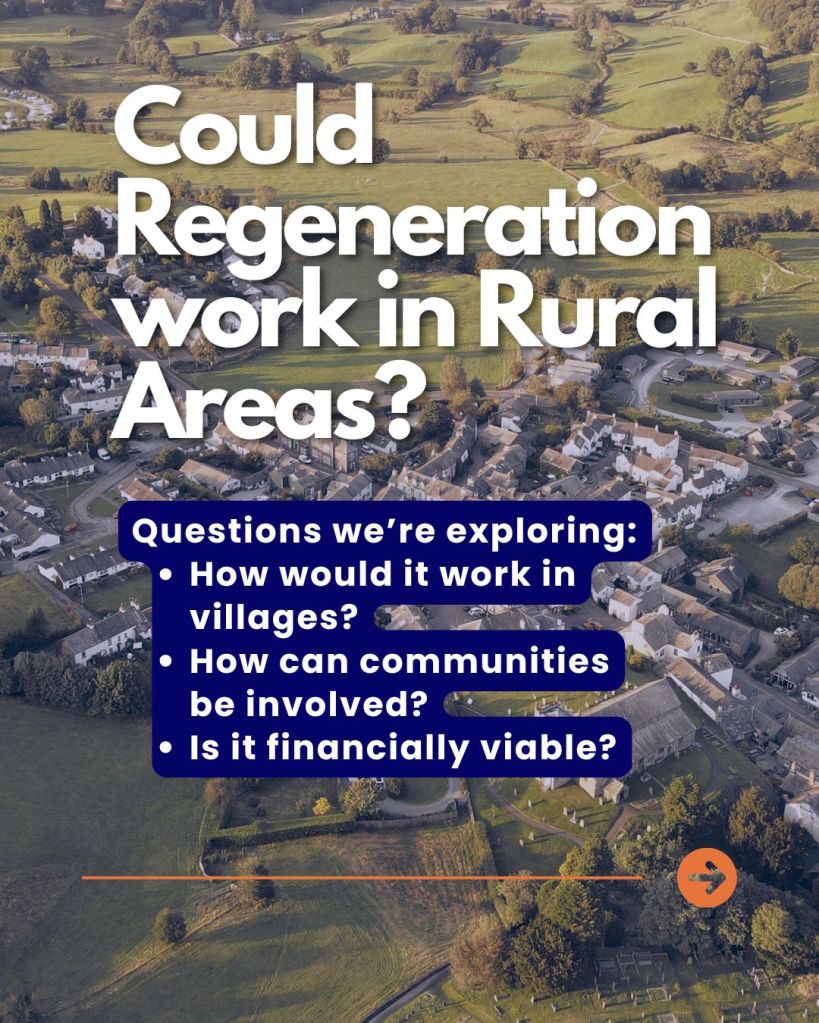
Regeneration is often associated with urban areas, but what might it look like in a rural setting where affordable homes are dispersed across a village and interspersed with privately owned and rented properties? How would communities be involved? And could registered providers afford to do it?

We cannot answer these questions alone, so we want to work with Altair Social Housing Consultants to explore whether rural regeneration is a viable option in our region. There is a cost to this work, and we need to raise at least £5,000 – ideally more – in order to undertake it.

We are grateful that one of our Rural Thames Valley partners, SOHA, has already agreed to contribute £1,250. Other local organisations involved in affordable housing are also considering whether they can support this piece of work.

This project will give us a much clearer understanding of what rural regeneration might look like in practice, including the costs, practicalities and potential benefits.

If you would like to find out more about this, or anything else relating to rural housing in Berkshire, please contact Maria.Kelly@ccberks.org.uk.


From Oxfordshire to Berkshire: Celebrating Community-Led Housing Intiatives

By Maria Kelly, Rural Housing Enabler

On Saturday 21st February I attended a meeting of the Oxfordshire Community Led Housing Group, hosted by Stonesfield Community Trust at the cosy White Horse Community Pub, Stonesfield.  Stonesfield Community Trust, established in 1983, it was one of the first Community Land Trusts in the UK.  It owns and manages affordable housing in the village for people with a local connection, and the White Horse pub.  The meeting was attended by representatives from several local Community Land Trusts (CLTs) and other community led housing organisations, all at different stages of the journey and facing different challenges and opportunities.

During the day we explored how groups can work better together to deliver a growing potential pipeline of community -led homes, particularly in rural areas where finding suitable land and traditional Housing Associations to develop homes can be difficult.  We took a walk around Stonesfield to look at some of the homes built and managed by the Trust, which blend seamlessly with the older architecture of the village. We looked at a new area in the heart of the village where a glove factory operated in the 1970s, which will soon be the site of three new affordable rented homes built by the Trust.  The new houses will be adjacent to the picturesque Stonesfield Church and Oxfordshire’s oldest gaol – a listed ‘lock up’ owned by the Blenheim estate! 

Thank you to Fiona Brown and Kay Sentance from Community First Oxfordshire for inviting me along, and to the CLTs attending for making me feel so welcome.

There are many ways that communities can own and lead on the development of community assets such as housing and facilities – just consider the amazing work of village hall trustees and parish councils. One of Berkshires few Community land Trusts is Windsor Ascot and Maidenhead CLT, (Home – Windsor Ascot Maidenhead Community Land Trust) which is being supported by CCB to take on affordable housing and other assets in the Royal Borough. Through freehold ownership, CLTs can ensure that housing and other assets are available to the community in perpetuity and cannot be sold off privately or otherwise lost. 

If you are interested in finding out more about Community Land Trusts, contact maria.kelly@ccberks.org.uk


Understanding the Future of Rural Affordable Housing

As part of our work to support the provision of affordable housing in rural communities, we have been working with colleagues across the rural Thames Valley region and across England to build a better picture of the condition and future of existing rural affordable housing stock.

Much of the rural affordable housing currently in use was built between the post‑war period and the 1970s. While the need for affordable housing in rural areas has increased, in some areas the supply has declined. Homes have been sold onto the open market and not replaced locally. This trend is concerning for rural communities and presents a significant challenge for Rural Housing Enablers and Local Authorities seeking to increase housing supply to meet growing need.

To better understand what is happening and why, CCB is exploring how housing providers manage their rural housing stock and the factors that influence decisions to sell rural affordable homes.

In November 2025, Sovereign Network Group (SNG), West Berkshire’s main provider of rural affordable housing, gave a presentation to the West Berkshire Council Resources and Place Scrutiny Committee. A recording of the meeting is available to view here:
https://www.youtube.com/live/aDHDdoW76ik

Rural residents across Berkshire have shared concerns about the sale of affordable rural homes, many of which are owned by SNG. During their presentation, SNG explained their approach to stock management and the decision‑making process around property sales. This short film brings together some of the key points from that presentation and highlights the important questions it raised.

🎥 Watch the film:

To find out more about our research into the loss of rural affordable homes, please visit our project webpage:
Research into market sales of affordable rural homes | Connecting Communities in Berkshire

If you are aware of sales of affordable homes in your rural community, please let us know by completing our short survey:
https://www.surveymonkey.com/r/DNFBXP7

Alternatively, you can contact our Rural Housing Enabler directly at maria.kelly@ccberks.org.uk.


Affordable Rural Housing Project

 by Maria Kelly, Rural Housing Enabler

We are delighted to be able to begin using a brand-new data tool to help us identify and understand affordable rural housing need in Berkshire parishes.  The Rural Affordable Housing Needs Model tool (RAHNM for short) was created for us by Arc4 Housing Consultancy . The tool draws on 2021 census data and live housing register data – completely anonymised –  to model supply and demand, and type of homes and information about those groups most likely to be in need in a given parish.  This data can be used alongside a Housing Need Survey and beforehand, to identify where we need to focus our work.

The RAHNM tool has been used to report to the Government on rural affordable housing need across England. It is being used successfully in Durham where Rural Housing Enablers there are able to create simple reports to show parish councils what the housing need is likely to be in their parish.   Rural Housing services in Oxfordshire and Buckinghamshire are currently working on RAHNMs for their respective areas.

We are still gathering housing data from five Local Authorities in Berkshire, but we can already use the census data to build a picture of need in Berkshire Parishes. We recently shared some of this data with Compton Parish Council, and it was clear that it supported what their recent housing need survey found as well as providing additional information.

Later this Autumn, once we have received the relevant housing data from our Local Authority Partners, we will hold a launch and information event for parish councils, local authority officers and councillors, and anyone else with a stake and an interest in affordable Rural Housing. Watch this space!

Want to know more? Contact Maria.Kelly@ccberks.org.uk


#RuralHousingWeek Spotlight: Meet Maria Kelly, Our Rural Housing Enabler

As part of #RuralHousingWeek, we’re shining a light on the vital work being done to support Berkshire’s rural communities—and the people behind it. Meet Maria Kelly, our dedicated Rural Housing Enabler, who is helping to tackle the growing challenge of affordable housing in the countryside.

Building Momentum in Year Two

In March 2025, we entered the second year of our Affordable Rural Housing project, building on the successes and lessons of our first year. After nearly seven years without dedicated support for rural affordable housing in Berkshire, there was a clear need to re-establish connections with parish councils, raise awareness of the service, and understand the scale of the housing crisis in rural areas.

Thanks to strong local engagement—and support from figures such as Olivia Bailey, MP for Reading West and Mid Berkshire, who highlighted our work in a Westminster Hall debate—the project is gaining real momentum.

Maria Kelly says:
“The housing crisis is hitting rural areas hard. Too often, affordable homes go to those with no local connection—leaving communities feeling overlooked. We’re working to change that.”

Working with Rural Parishes

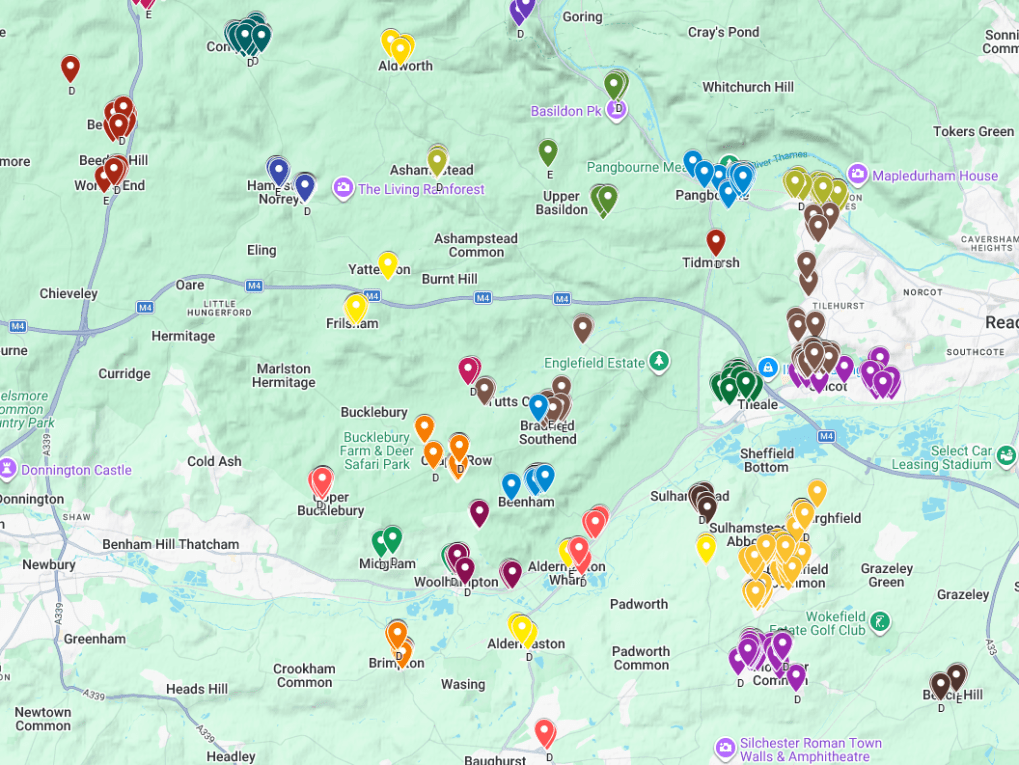
Since April 2024, Maria has worked closely with five rural parishes to identify local housing needs:

  • Beech Hill
  • Beenham
  • Compton
  • Waltham St Lawrence
  • Horton

Each parish faces unique challenges, but common themes include limited land availabilitypressure on housing waiting lists, and a strong desire for homes that meet local needs. In several areas, we are now exploring potential sites and housing providers for rural exception site developments—small-scale, locally driven housing projects that prioritise people with a connection to the parish.

Looking Ahead: Priorities for 2025

As we continue our work, our key priorities for the year include:

  • Continuing Housing Needs Surveys and supporting parishes progressing toward affordable housing
  • Using census data to map housing need across Berkshire and identify areas of greatest need
  • Sharing insights with parish councils to inform local decision-making
  • Advocating for local connection policies on new and existing rural affordable homes
  • Gathering feedback from tenants on Berkshire RES sites to understand the impact of our work
  • Collaborating regionally through the Rural Thames network to improve access to affordable rural housing

Get Involved

We believe that stronger rural communities start with secure, affordable homes. If you’re part of a parish council or community group and want to explore how we can support your area, we’d love to hear from you. Email Maria.Kelly@ccberks.org.uk

📍 Learn more about our work:
👉 ccberks.org.uk/our-projects/rural-affordable-housing