
Building Futures: Spotlight on Rural Housing at National Conference

Connecting Communities in Berkshire joins national call to action for affordable rural homes

We were proud to take part in the recent Rural Housing Conference, held on 30 April 2025 at the historic Coram campus in London. Organised by English Rural and Action with Communities in Rural England (ACRE), the event gathered policymakers, housing professionals, and community advocates to confront the urgent and growing crisis in rural housing.

Attending on behalf of CCB was Rural Housing Enabler Maria Kelly, who joined others in championing the importance of truly affordable homes for rural communities.

The conference, titled Affordable Rural Housing: Opportunity in Changing Times, was marked by a keynote address from HRH The Princess Royal. She offered a powerful reminder that rural housing is about more than buildings:

“We aren’t just talking about houses — we’re talking about the people and communities that make our countryside live and breathe.”

The day laid bare the depth of the challenge facing rural areas:

  • The average rural house price has reached £418,400, compared to average rural earnings of just £25,600.
  • Only 10% of new affordable homes are built in rural areas, though these areas are home to 18% of the population.
  • Investing in rural housing could unlock as much as £87 billion a year in productivity, while strengthening local economies and jobs.

Speakers from across sectors—including planning, faith groups, and economic development—urged a coordinated national effort. Solutions discussed included planning reform, incentives for landowners, and sustained funding for Rural Housing Enabler programmes.

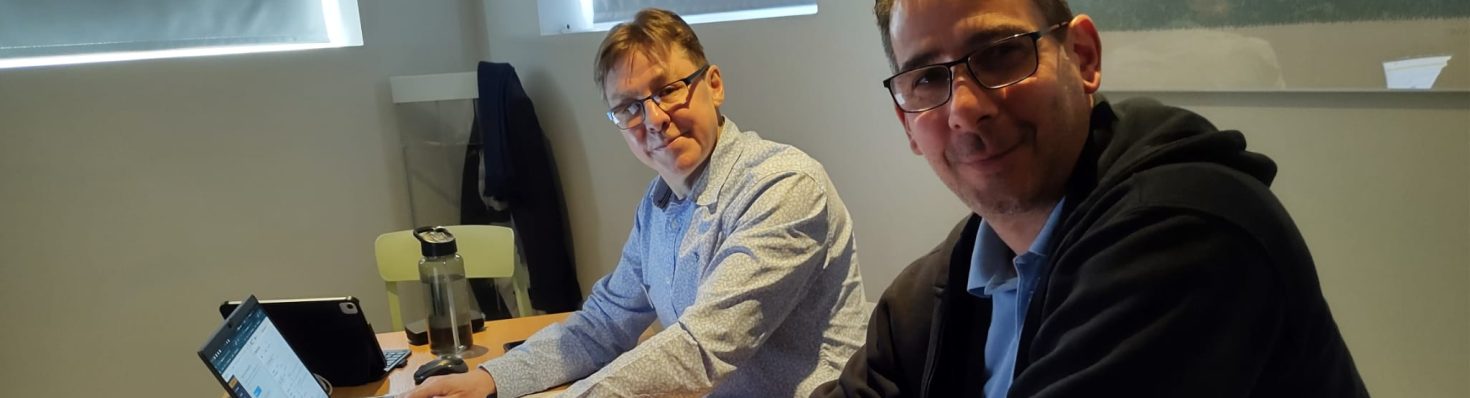
Photo by Matt Pereira Photography / English Rural

Maria said: “What really struck me was how deeply rural housing is tied to community life. Affordable homes mean local families can stay close, young people can build their futures, and essential services can survive. There’s a real opportunity now to make lasting change, and I left the conference energised and hopeful about what we can achieve together.”

Dame Fiona Reynolds captured the overarching theme of the day:

“This is about building more than homes. It’s about building futures.”


Village Halls Week 2024 set to ‘go green!’

Phillip Vincent, Public Affairs and Communications Manager from out national body Action with Communities in Rural England (ACRE), blogs ahead of Village Halls Week which is set to return for the seventh year running and challenge community buildings to consider how they can save energy and support environmental initiatives that help with Net Zero.

With scientific warnings of the climate crisis mounting and governments and international institutions scrabbling in search of grand solutions, it’s easy to feel powerless to act in the face of great threats to our way of life, and that of future generations.

But as much as bold decisions are needed regarding the global management of the Earth’s resources and the carbon emitted into the atmosphere, little will happen unless there is action on the ground.

Rural communities have great potential to be pioneers in the local battle for Net Zero. This is likely to include adopting more sustainable agricultural practices, welcoming renewable energy generation, improving the energy efficiency of older buildings and reducing the need for people to travel by utilising digital technology. Mitigation too is needed to blunt the consequences of climate change such as flooding and wildfires.

Village halls, like parish councils, are one of very few institutions embedded in nearly every corner of rural England. Hosting a wide range of activities, events, groups, and services, they have great reach into communities. Many have been used as a place of refuge during extreme weather events. And as the Post Office Horizon scandal has recently brought to light, they are sometimes venues where radical community activism begins!

The humble village hall is therefore surprisingly well placed to be a catalyst for environmental action. Village Halls Week 2024 will consider how this can happen. It will look at what some halls are already doing to serve as inspiration, and it will provide an opportunity for others to hold events and reach out to residents to see what might work locally for them.

A highlight of this year’s campaign will be the publication of a Net Zero Design Guide for Village & Community Halls produced by stagg architects on behalf of ACRE.

Typically, village halls are older buildings which can be off the gas grid. Some date back over 100 years. Many have been vulnerable to energy price shocks over the past couple of years with some groups spending over half of their income keeping the building warm at the peak of the crisis.

On this basis, a logical, and much needed starting point for village hall groups interested in ‘going green’ is making improvements to their building to reduce the amount of energy they consume as well as their bills.

The guidance set to be launched via a livestream features several halls in Cumbria, Lancashire, Buckinghamshire, Dorset and Somerset which have done just that. Work undertaken by these halls include improving insulation, upgrading heating systems and even generating their own energy. They demonstrate that whilst there’s no one size fits all solution, there are many take home lessons from their experiences with regards to project planning, involving the wider community, fundraising, and working with technical experts and contractors.

For more information about Village Halls Week, please visit: https://acre.org.uk/village-halls-week-2024/